












Summarize this article with:

Range Rovers are the “King of SUVs”, blending premium comfort, advanced features, and impressive off-road capability with widespread acceptance. However, it’s only professional to admit that their luxury status and powerful construction come with prominent maintenance tradeoffs, particularly in high-mileage vehicles.
To prevent aspiring Range Rover owners and drivers from worrying about the unknown, we compiled a list of the top five most common issues in popular models like the L322, L405, and Range Rover Sport from approximately 2008 to 2022.

Jacksonville's
Most Trusted
Euro Car Shop
Book Your Appointment Today
The goal is to improve your ownership experience by showing you the typical maintenance expenses of any Range Rover. Hopefully, this guide motivates you to go ahead with a purchase or care better for your Rover.

1. Crankshaft & Engine Failures (Especially 3.0L V6 Diesel)
One of the most serious and expensive repairs in older Range Rovers involves the crankshaft, particularly in vehicles equipped with the 3.0L V6 diesel engine. While this issue is more commonly documented in European markets, especially in the Range Rover Sport and Discovery models, it’s important knowledge for any owner or buyer of used V6 diesel variants.
The root cause lies in poor casting tolerances and wear at the crankshaft’s bearing surfaces. Over time, these tolerances degrade, leading to oil starvation at the big-end bearings.
Without sufficient lubrication, hot spots form, increasing the risk of a fractured crankshaft. Once it fails, a complete engine replacement is often the only remedy.
Symptoms Of Crankshaft Issues In Range Rovers
- Metallic knocking noises during cold starts
- Low oil pressure warnings
- Engine stalling or seizing at high load or temperature
If the crankshaft snaps, the repair cost can be staggering.
A used engine alone can cost between $8,000 and $10,000, with total replacement and labor sometimes exceeding $15,000. Going directly to the dealership for a new engine can push that figure beyond $30,000.
Preventing Crankshaft Issues in Range Rovers
- Regular oil changes (every 5,000–6,000 miles recommended, not the extended intervals)
- Avoid hard driving until the engine is fully warm
- Listen for early signs of bottom-end noise during startup or acceleration
For U.S. owners, this specific failure is less frequent in gasoline variants, but remains a cautionary tale for imported diesel models and high-mileage used purchases.
2. Air Suspension Wear and Failures
Range Rover’s signature air suspension offers a remarkably smooth ride and adjustable ride height. However, it’s also one of the most common sources of long-term issues, especially as vehicles age past the 80,000-mile mark.
Each wheel is independently supported by an air strut, which powers the Range Rover’s impeccable handling, and is managed by a central compressor system. Over time, these components degrade. Leaking air springs, worn-out compressors, and corroded air lines are frequently reported problems.
Symptoms of Range Rover Suspension Faults
- One side or corner of the vehicle sits lower (often after overnight parking)
- “Suspension Fault” or “Normal Height Only” warnings on the dash
- A noisy or constantly running compressor
- Harsh or bouncy ride, especially at low speeds
These issues are rarely catastrophic on their own, but they affect drivability and can trigger limp modes if left unresolved.
While compressors and air struts are replaceable with OEM or aftermarket components, labor and diagnostics can add up quickly, especially if the moisture purging system (desiccant filter) fails and damages other components.
Preventive Measures for Range Rover Suspension Issues
- Listen for compressor strain or excessive cycling
- Check suspension height regularly after parking overnight
- Have a qualified technician perform system pressure and leak tests during routine service
- Consider replacing the air compressor proactively around 80K–100K miles if symptoms begin
Owners report that newer models (2017+) have improved durability, but older Rovers remain prone to air suspension-related repairs, especially in colder or coastal climates where corrosion accelerates wear.
3. Electrical & Battery-Related Faults

Modern Range Rovers, like most late-model cars, have complex electrical systems, which are prone to erratic behavior, especially when battery voltage drops. Owners and mechanics alike describe these vehicles as “electronically sensitive,” where a weak or aging battery can trigger a cascade of warning lights or cause major systems to temporarily shut down.
Jacksonville drivers trust Southside Euro for accurate electrical diagnostics.
Common Electrical Issues in Range Rover SUVs
- “4WD unavailable” or transmission faults caused by low battery voltage
- Random warning messages that clear after a battery charge or reset
- Infotainment system reboots or freezes
- Interior features (e.g., powered seats, ambient lighting, electronic blinds) not responding consistently
Much of this stems from the vehicle’s CAN bus system, a communication network between its electrical units, sending distress signals.
If voltage readings fall below optimal thresholds (around 12.4V), the system often throws fault codes, sometimes with no underlying mechanical issue. This is especially common after short drives, during cold weather, or with aging AGM batteries.
Repair Solutions for Range Rover Electrical Problems
- Replace AGM batteries every 4–5 years; don’t wait until full failure
- Keep a battery tender on the vehicle if not driven regularly
- Avoid installing aftermarket electronics that place a parasitic drain on the battery
- Use a dedicated scan tool to check module status instead of chasing warning lights blindly
In many cases, the fix is as simple as a proper battery charge or replacement. But because electrical gremlins can mimic major mechanical faults, it’s critical to rule out voltage-related causes before assuming the worst.
4. Cooling System Weak Points
Across multiple model years, especially from 2008 to 2016, cooling system problems are one of the understated yet expensive-to-ignore Range Rover issues.
Common Causes
- Plastic crossover pipes (especially on the 3.0L and 5.0L engines)
- Water pump housing and gaskets
- Thermostat and associated housings
- Radiator leaks on higher-mileage models
Enthusiasts frequently recommend upgrading to aftermarket aluminum pipes, especially for the crossover system, to avoid repeat failures.
On some models, coolant leaks are so common that owners are forced to replace key components around 80–100k miles.
Cooling System Fault Symptoms
- Low coolant warning or frequent top-offs
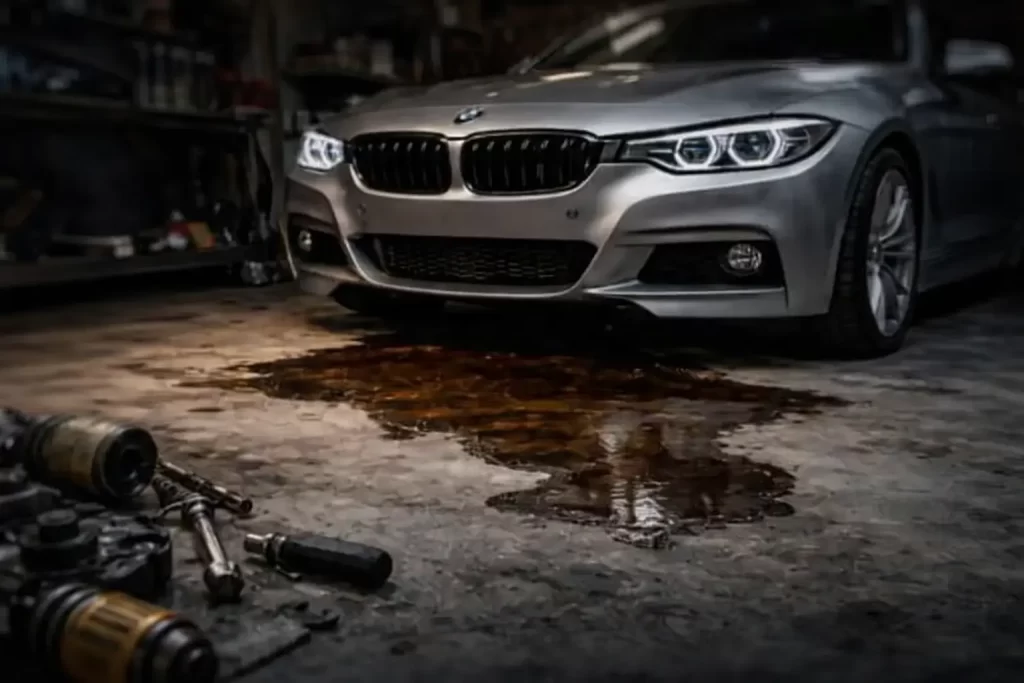
- Puddles under the front of the vehicle
- Visible crusting or staining on coolant hoses or housings
- Engine running warmer than usual or triggering overheat warnings
Recommended Solutions
- Use upgraded aluminum coolant pipes where available
- Replace the water pump and thermostat as a preventive measure every 70–90k miles
- Use only OE-spec coolant to avoid chemical incompatibility
- Pressure test the cooling system during routine inspections
Neglecting these problems can quickly escalate to head gasket damage or catastrophic engine failure. If you spot coolant loss in any form, don’t wait to have the system professionally inspected.
5. Transmission & Drivetrain Lag
Many Range Rovers from 2008 to 2018 come equipped with ZF 6-speed or 8-speed automatic gearboxes. These transmissions are well-regarded overall, but they can suffer from performance lag due to irregular or non-existent performance as they age.
The “sealed for life” label has led many owners to skip fluid changes entirely, causing internal wear, sticky valves, and sluggish shifts. Transfer case components are also affected by neglect, especially in L405 models used for towing or off-road driving.
Common symptoms
- Noticeable delay when shifting from Drive to Reverse (up to 3–4 seconds)
- Slow or inconsistent gear changes under load
- Hesitation during low-speed maneuvers or hill climbs
- Occasional clunking or driveline noise from the transfer case
Contributing factors
- Lack of fluid servicing in “sealed” units
- Aging transmission mounts or worn drivetrain bushings
- Sludge buildup in transfer case and differentials
- High-mileage wear and tear on the output shafts and dampers
Preventive measures
- Replace transmission fluid every 50,000–60,000 miles, despite factory claims
- Service transfer case and differential fluids at similar intervals
- Avoid abrupt driving in cold temperatures to protect shifting components
- Use specialist scan tools to monitor adaptive transmission values
Most issues can be prevented with regular maintenance. But if ignored, these symptoms can gradually undermine the smoothness and responsiveness that drivers expect from a luxury SUV.
Honorable Mentions / Minor Issues
A/C Leaks
Often caused by corroded refrigerant lines or failed seals. Regular pressure testing helps catch issues early.
Interior Rattles
Common in older models, especially during suspension adjustments. Lubrication and retightening of panels may help.
Theft Risk (Pre-2020)
Older keyless systems are vulnerable to relay attacks. Use signal-blocking pouches or install a secondary immobilizer.
Get Expert Range Rover Repair Service in Jacksonville
Range Rovers offer top-tier comfort and capability, but they also come with known mechanical risks as mileage adds up. Crankshaft failures, suspension wear, and electrical quirks aren’t rare. They’re patterns, not flukes.
At Southside Euro, we know what to look for and how to catch issues early before they turn into major repairs.
Book a Range Rover maintenance and repair appointment now
Frequently Asked Questions About Range Rover
Are older Range Rovers reliable after 100,000 miles?
Older Range Rovers can remain reliable well past 100,000 miles, but only if they’re meticulously maintained. Regular service, timely repairs, and proactive component replacements help ensure continued dependability. Get in touch with Southside Euro to have an experienced Land Rover technician handle your routine maintenance.
How much does it cost to replace a Range Rover air suspension?
Costs to replace air suspension components typically range from $1,500 to $3,500, depending on the model and the extent of the repairs. At Southside Euro, we provide detailed repair estimates upfront, ensuring clarity about what’s needed before proceeding with the service.
What Range Rover year has the most engine problems?
The highest number of engine and crankshaft failures occurs in the 3.0L V6 diesel models from 2008–2015. Regular maintenance, timely oil changes, and professional diagnostics can help prevent these costly repairs.
Is it worth buying a used Range Rover Sport?
A used Range Rover Sport can be a great buy if you’re prepared for ongoing maintenance and potential repairs. To make a smart purchase decision, we strongly recommend scheduling a comprehensive pre-purchase inspection at Southside Euro.
Do Range Rovers still have electrical issues in newer models?
Electrical reliability has significantly improved in newer models, but minor issues can still surface, particularly related to battery health and software glitches. Routine battery checks and electrical diagnostics in the event of malfunctions from specialist shops like Southside Euro minimize these concerns.