












Summarize this article with:

The Fiat 500 is loved for its quirky Italian charm, nimble handling, and city-friendly size. But like any small car with a big personality, it has some common problems that can catch owners off guard if left unaddressed.
They show up often as these cars age or rack up miles in the form of transmission quirks, electrical hiccups, suspension wear and more.

Jacksonville's
Most Trusted
Euro Car Shop
Book Your Appointment Today
This guide covers the most frequent Fiat 500 problems, how to recognize early warning signs, and what you can do to keep your car running reliably. Whether you own a Pop, Lounge, Abarth, or 500e, understanding these known trouble spots will help you avoid unexpected breakdowns and costly repairs.
Engine and Powertrain Issues

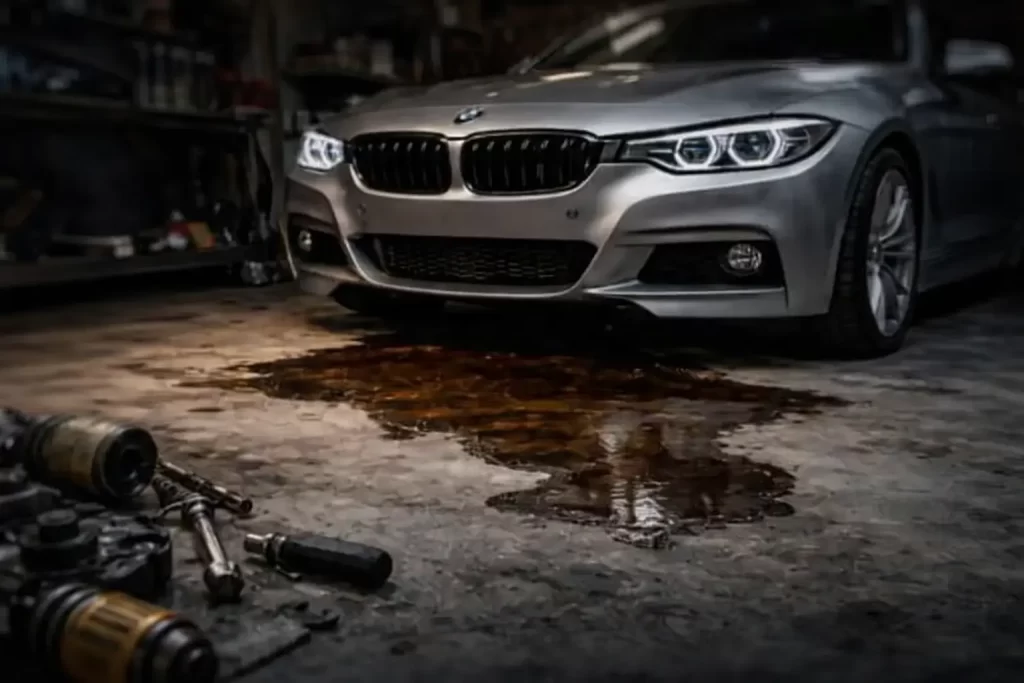
Many Fiat 500s, especially the earlier model years, experience engine-related quirks as they age. One frequent issue is oil leaks, often traced to the PCV box O-ring or the oil pan gasket. These leaks tend to show up around 50,000 miles and can drip onto other components if left unattended, so it’s wise to check for seepage during routine oil changes.
You may also experience stalling, rough idling, or poor throttle response if your Fiat 500e or Abarth 500 has engine issues. These symptoms are mostly linked to ignition coil failures or problems with the MultiAir system, which controls valve timing. Replacing coils is usually straightforward, but MultiAir issues can be more involved and may require specialized diagnosis.
Transmission performance also varies by model. Manual versions generally hold up well with proper clutch use, but the automatic transmissions, especially the early Aisin units, can feel clunky or hesitate to shift. Dual-clutch automatics (DDCT) sometimes develop rough engagement or delayed shifting, often improved by timely fluid changes and software updates.
Regular maintenance is your best defense against any engine or powertrain headaches.
Electrical System Problems

Electrical quirks are among the most reported Fiat 500 issues. Many owners experience premature bulb failures, especially with headlights and tail lights that burn out or overheat connectors. Replacing bulbs with higher-quality parts can reduce how often this happens.
Battery drain is another frequent headache. The car can randomly lose charge overnight due to weak ground connections or aging batteries. Keeping ground points clean and tight, particularly under the battery tray, goes a long way toward preventing unexpected no-starts.
Some Fiat 500s also develop problems with the hatch release or door locks. The hatch wiring harness in early models can fail, stopping the trunk from unlocking consistently. Door lock actuators may wear out over time, needing replacement.
While not every Fiat will have electrical troubles, it’s smart to budget for occasional fixes and check these components regularly to stay ahead of issues.
Suspension and Steering Problems

We’ve seen a number of Fiat 500 owners with a high-mileage car report front suspension noises. Clunks or rattles over bumps usually point to worn strut mounts or control arm bushings. These parts see a lot of stress in city driving, so expect to replace them around 60,000–80,000 miles if you hear persistent knocking.
Steering issues can also show up, especially in early models. A common complaint is that the electric power steering feels heavy or inconsistent, sometimes paired with a warning light. This usually indicates a failing steering motor or sensor, which requires professional attention to avoid a sudden loss of assist.
Alignment is another area worth watching. Because the rear wheels are shim-adjusted rather than fully adjustable, improper alignment can lead to uneven tire wear and stress on the wheel bearings. Rotating tires on schedule and checking alignment if you notice odd wear patterns helps extend suspension life.
Overall, the Fiat’s suspension is simple to repair, but staying ahead of wear and addressing noises early prevents bigger problems later.
Body, Interior, and Trim Wear

The Fiat 500’s interior and exterior parts can feel delicate over time. A common issue is the armrest breaking at its hinge or plastic clips, especially if it’s used for leverage getting in and out. Many owners repair it with epoxy or replace it entirely.
Door handles sometimes crack or come loose, often because of pulling at an angle or excessive force. The hatch wiring on early models (especially 2012) is prone to fatigue and can cause trunk release or lighting issues.
On the exterior, the thin paint can chip easily, and convertible soft tops may develop leaks or excessive wind noise if seals aren’t maintained.
Overall, most of these problems are cosmetic annoyances rather than serious mechanical failures, but they can be frustrating if you expect everything to feel solid long-term.
Fuel System and Emissions Issues

The Fiat 500’s compact design sometimes creates headaches around fuel delivery and emissions controls. One recurring issue is with the rollover valve in the fuel tank. If it sticks, you may have difficulty filling the tank or notice fuel odors around the car. Overfilling the tank is also a known cause of charcoal canister damage, which can trigger check engine lights.
Owners also report evaporative emissions leaks caused by deteriorating rubber hoses or faulty purge valves. In some cases, this results in rough idling or poor fuel economy. The 500e electric model avoids these fuel issues but has its own unique battery-related quirks.
Sticking to factory service intervals and avoiding topping off the tank can help you steer clear of many of these fuel system problems. At Southside Euro, we are experts in Fiat fuel pump servicing and replacements.
Stay Ahead of Expensive Fiat 500 Repairs
The Fiat 500 is an undeniably fun, stylish car that rewards owners who stay proactive about maintenance. From engine and transmission quirks to fragile interior trim, most of these issues are manageable when you catch them early.
If you’re experiencing any of the problems outlined here, or simply want peace of mind that your Fiat is in top shape, the expert team at Southside Euro is here to help. Our technicians know these cars inside and out and can tackle everything from routine servicing to complex repairs.
Contact Southside Euro for a free consultation on Fiat 500 repairs in Jacksonville.
Frequently Asked Questions
Why does my Fiat 500 have a rough idle or misfire?
A rough idle or engine misfire is often linked to ignition coil pack failures, worn spark plugs, or carbon buildup on intake valves. Addressing these issues early can prevent further engine damage. If in doubt, Southside Euro can run diagnostics and perform repairs to restore smooth performance.
How long does the Fiat 500 transmission last?
It depends on the model and how it’s maintained. The Dualogic automated manual and Aisin 6-speed automatics can last well beyond 100,000 miles with regular fluid changes. Neglecting servicing or driving aggressively, however, can lead to premature failures.
What are the most common electrical problems in a Fiat 500?
Frequent culprits include window regulator failures, malfunctioning power door locks, intermittent wiper operation, and the Blue&Me infotainment glitches. These issues can often be fixed with updated software, wiring repairs, or replacement modules.
Is the Fiat 500 reliable overall?
It’s a durable mini car if you follow a consistent maintenance schedule. Many owners enjoy years of reliable driving when they keep up with oil changes, transmission servicing, and inspections for leaks and wear.
Why does my Fiat 500 feel bouncy or unstable on the road?
This is usually a sign of worn-out shocks, struts, or bushings, especially as the car gets past 60,000 miles. Replacing these suspension components helps restore ride comfort and handling. Southside Euro specializes in suspension upgrades and replacement systems for peak Fiat 500 performance and handling.