













Summarize this article with:

Can I Take My BMW Anywhere for an Oil Change?
Yes, you can take your BMW anywhere for an oil change, but that doesn’t mean every shop is the right choice. BMW engines are engineered with specific oil and filter requirements that many quick-lube chains and general mechanics either overlook or substitute with cheaper alternatives. That can leave you with poor performance, oil leaks, or even denied warranty coverage down the road.
The truth is, BMWs aren’t like everyday commuter cars. While a basic oil change might seem simple, doing it right means using the correct synthetic oil, factory-approved filters, and specialized tools to reset service intervals and inspect for common issues unique to BMW engines. In this guide, we’ll break down when a general mechanic is acceptable, why specialists are usually the smarter option, and how to protect both your warranty and your engine’s long-term health.

Jacksonville's
Most Trusted
Euro Car Shop
Book Your Appointment Today
BMW Oil Change at Jacksonville’s No.1 European Car Repair Shop.
The Exclusivity of BMW Oil Change
An oil change may sound straightforward, but with BMW, like most European cars, the details matter. Every modern BMW engine is built to run on full synthetic oil that meets strict manufacturer standards. The two most common specifications you’ll see are BMW Longlife-01 and BMW Longlife-17, depending on the model and year. Using an oil that doesn’t meet these standards can cause performance issues, accelerated wear, or even void warranty protection.
The filter is just as important. BMW uses OEM-quality oil filters with integrated seals that are designed for the unique layout of their engines. Cheaper aftermarket filters can collapse, leak, or fail to trap debris, leading to expensive repairs that far outweigh the money saved at the counter.
Finally, every oil change on a BMW involves resetting the service indicator through the iDrive system or, in some cases, factory-level diagnostic software. Skipping this step not only confuses the maintenance schedule but can also hide underlying issues that a specialist would normally catch during service.
In short, while any mechanic can technically drain and refill the oil, only shops that follow BMW’s exact requirements ensure that your car performs as designed and remains protected under warranty.
Schedule BMW maintenance and diagnostics.
When a General Mechanic Is Acceptable
Not every BMW service requires a factory-trained specialist. For a straightforward oil change, a trusted general mechanic can do the job as long as they follow BMW’s rules.
That means they must use the correct BMW-approved synthetic oil, the proper OEM-quality filter with new seals and gaskets, and reset the oil service light properly. If they miss even one of these steps, your car could suffer in the long run.
The biggest risk is cutting corners. Quick-lube shops often pour in generic synthetic oil, reuse old gaskets, or skip inspections that BMW owners rely on, such as checking for oil filter housing leaks or worn gaskets. What looks like a routine oil change today could turn into a $1,500 repair later.
So while you can take your BMW to a general shop for an oil change, it’s only safe if they meet the same standards that a specialist would. Otherwise, the savings up front may cost you more down the road.
Why Specialists or BMW-Certified Shops Are Recommended
Once you look past the basics, it becomes clear why most BMW owners choose specialists for something as routine as an oil change. These cars are engineered differently, and servicing them the right way requires more than just draining oil and swapping a filter.
Factory-Level Diagnostics
Independent specialists and BMW-certified shops use diagnostic platforms like ISTA or Autologic, the same tools dealerships rely on. This equipment doesn’t just reset your oil service light, but it also runs a full scan of the vehicle’s systems. That means potential issues like failing sensors, low coolant, or worn gaskets can be caught before they turn into bigger problems.
Trained Eyes on Common BMW Issues
A specialist knows to check areas where BMWs tend to develop leaks, such as the oil filter housing, valve cover gasket, and oil pan gasket. Catching these issues during an oil service prevents unexpected breakdowns and costly repairs. A general mechanic, unfamiliar with these patterns, may send you home without noticing them.
OEM Parts and Warranty Protection
BMWs are sensitive to the parts and fluids they use. Specialists stock OEM filters, gaskets, and BMW-approved synthetic oil, ensuring every oil change aligns with manufacturer requirements. That documentation is vital if you ever need to make a warranty claim or sell your car with confidence.
Better Value Over Time
Dealerships offer the same quality of care but usually at a premium price. Independent European specialists deliver dealership-level results with more personalized service, often at a lower cost. For BMW owners, this balance of quality and value makes specialists the smarter choice for long-term maintenance.
Warranty Considerations
One of the biggest questions BMW owners ask is whether taking their car outside the dealership for an oil change will void the warranty. The answer is no. Thanks to the Magnuson-Moss Warranty Act, automakers cannot force you to service your vehicle exclusively at a dealership.
What matters is that the service is performed correctly and documented. That means:
- The oil must meet BMW’s specifications (Longlife-01 or Longlife-17, depending on your model).
- Filters and seals should be OEM or OEM-equivalent quality.
- The service records should show exactly what parts and fluids were used, along with mileage and date.
If you ever need warranty work, BMW may ask for this documentation to prove the car was maintained to factory standards. Without it, they could deny coverage for engine-related repairs.
So while you are free to take your BMW anywhere, only shops that understand BMW’s service requirements and provide clear records will protect both your car and your warranty.
Protect Your BMW with the Right Oil Service
Yes, you can take your BMW anywhere for an oil change. The real difference lies in whether the shop uses the right oil, the right filters, and the right process. A quick-lube shop may get you back on the road, but a BMW specialist ensures your engine stays healthy, your warranty remains intact, and small issues are caught before they turn into expensive repairs.
At Southside Euro, our ASE-certified European technicians provide oil changes tailored to BMW standards. We use only BMW-approved synthetic oil, OEM filters, and factory-level diagnostics to give your car dealership-quality care without the dealership price tag.
Book a professional BMW oil change service today.
BMW Oil Change FAQs
What kind of oil does a BMW require?
Most BMW engines require full synthetic oil that meets BMW’s Longlife specifications, such as LL-01, LL-01FE, or LL-17FE+, depending on the model and year. Using oil that doesn’t meet these standards can lead to increased engine wear or even warranty issues. A specialist shop will always stock the correct BMW-approved oil.
Does BMW require synthetic oil?
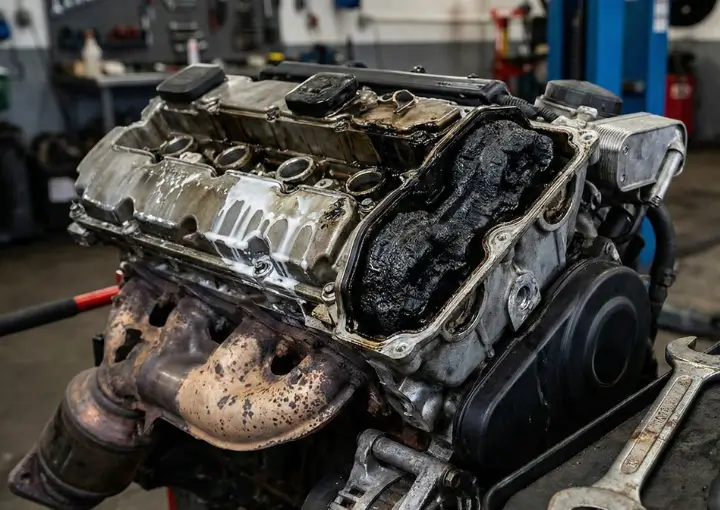
Yes. Every modern BMW is engineered to run on full synthetic oil only. Conventional oil cannot handle the heat and stress of turbocharged or high-compression BMW engines, and using it can result in sludge buildup, poor lubrication, and long-term engine damage.
Can I do my BMW oil change myself?
Yes, but it’s not as simple as it sounds. Along with draining and refilling the oil, you’ll need to replace the filter and seals, torque bolts to spec, and reset the service reminder through the iDrive system or diagnostic software. Without the right tools and parts, it’s easy to make mistakes that could damage the engine or affect warranty coverage.
Will going to an independent mechanic void my BMW warranty?
No. Under the Magnuson-Moss Warranty Act, your warranty remains valid as long as the service uses BMW-approved oil and OEM-quality filters. Always keep detailed receipts that show the exact oil grade and parts used. This documentation protects you if BMW ever questions a warranty claim.
How often should a BMW get an oil change?
BMW recommends oil changes every 10,000 miles or 12 months, whichever comes first. However, many specialists advise every 7,500 miles to keep engines running cleaner and extend long-term reliability, especially for turbocharged models. Shortening the interval is inexpensive insurance against costly engine repairs later on.