














Yes, Volvos often require special mechanics, especially when repairs or diagnostics go beyond simple maintenance. While a regular shop may be able to handle oil changes, brake pads, or tire rotations, modern Volvos are built with advanced safety systems, turbocharged engines, and complex electronics that most general mechanics are not trained or equipped to service.
This leaves many Volvo drivers wondering if it is safe to trust their local mechanic or if they should look for a European car specialist. In this article, we will break down when a regular mechanic is fine, where the risks begin, and why specialists are the best choice if you want to protect your warranty, avoid repeat problems, and keep your Volvo performing the way it was designed.

When a Regular Mechanic Is Enough
There are some services on your Volvo that a trusted general mechanic can handle, provided they use the correct fluids and parts. These are straightforward tasks that do not usually require factory-level tools.
Oil and Filter Changes
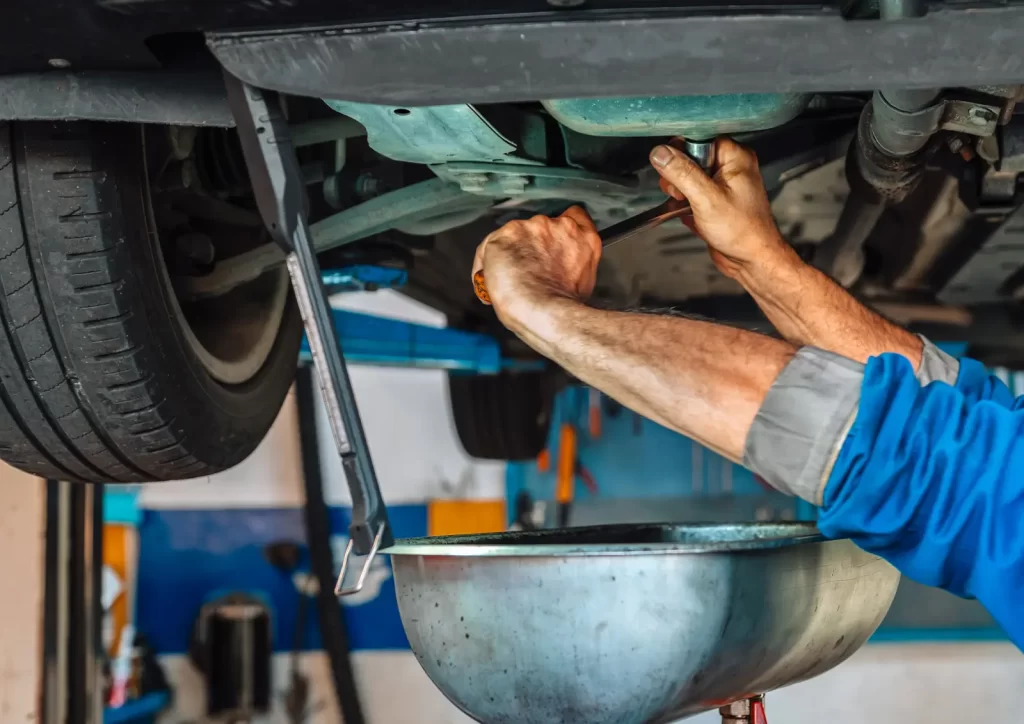
A local shop can change your oil and filters, but they must use the correct synthetic oil grade and Volvo-approved filters. Using the wrong oil can trigger warning lights or cause long-term engine wear.
Tire Rotations and Balancing
Rotating and balancing tires is standard maintenance and can be done at most shops. This service does not require Volvo-specific tools.
Brake Pad and Rotor Replacements
Brake jobs are common enough that most general mechanics can perform them. The risk lies in whether they use OEM-quality parts, since cheaper alternatives often lead to faster wear or noise.
Air and Cabin Filters
Replacing filters is a simple job that does not demand specialized tools, though using Volvo-specific replacements is still recommended.
Where Regular Mechanics Struggle
Basic maintenance is one thing, but when your Volvo needs deeper repairs, most general shops start to fall short. These are the areas where problems usually arise.
Advanced Diagnostics
Modern Volvos rely on VIDA (Volvo Integrated Diagnostic Application), the same factory software used by dealerships. Regular scanners cannot read or reset many of the warning codes in Volvo’s safety and engine systems. Without VIDA, misdiagnosis is common, leading to wasted money and repeated problems.
Turbocharged and Hybrid Engines
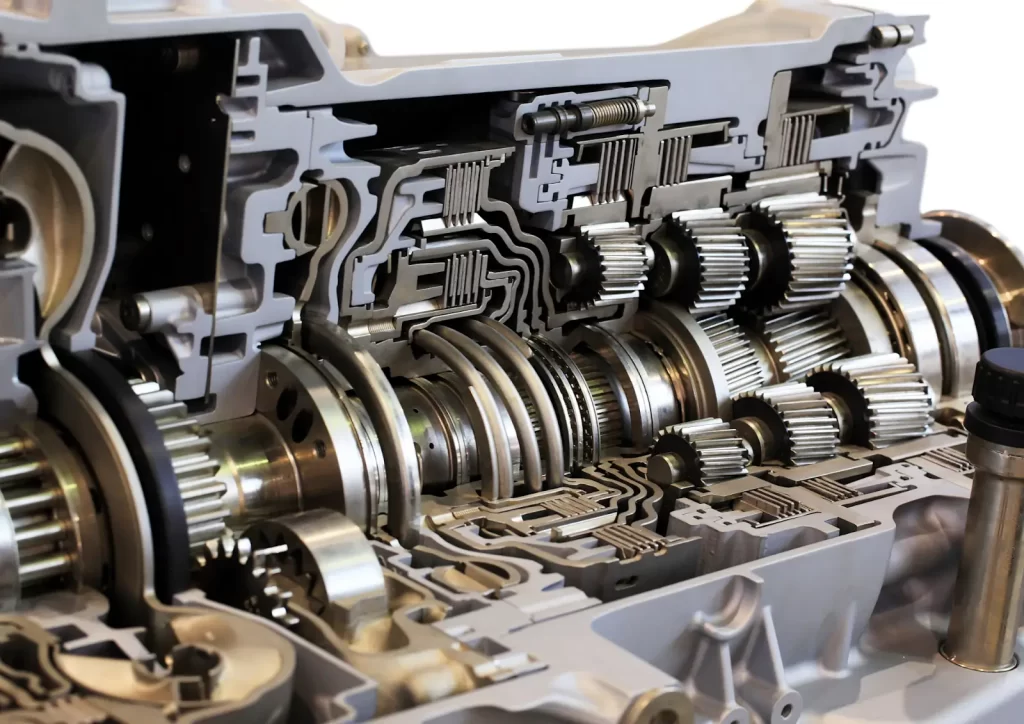
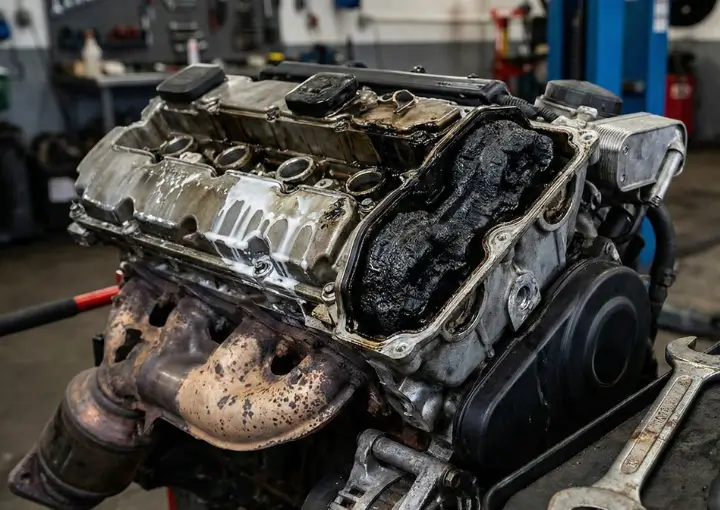
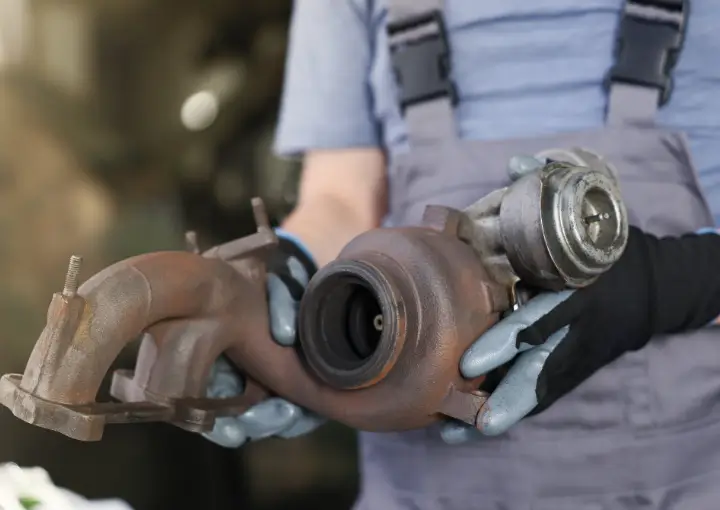
From the T5 and T6 turbocharged engines to plug-in hybrid models, Volvo’s powertrains require exact procedures and OEM fluids. Using the wrong spark plugs, transmission fluid, or service interval can cause misfires, overheating, or major engine damage.
Safety and Driver Assistance Systems
Features like adaptive cruise control, automatic emergency braking, and lane-keeping aid are tightly integrated into Volvo’s electronics. Repairing or recalibrating these systems requires specialized tools and training. A general shop without these resources cannot guarantee the systems will work as designed.
Electrical and Software Integration
Volvos are software-heavy vehicles. Infotainment, digital dashboards, and control modules depend on constant communication. General mechanics without Volvo-specific programming tools often cannot fully resolve these issues, leaving drivers with persistent glitches or warning lights.
Why Volvo Specialists Are the Better Choice
Once your Volvo needs more than an oil change or a set of brake pads, relying on a specialist is the smarter option. European-trained mechanics bring the tools, knowledge, and standards necessary to service these vehicles correctly and to prevent expensive mistakes.
Factory-Level Diagnostics
Volvos use VIDA (Volvo Integrated Diagnostic Application), the same system used at dealerships. It can access every module in the car, from adaptive cruise sensors to hybrid battery management. General scanners miss critical data, which often leads to misdiagnosis or repeated check engine lights. A Volvo specialist with VIDA can pinpoint the real issue the first time.
Proper Service Procedures
Jobs such as timing chain replacement, hybrid battery conditioning, or Sensus infotainment troubleshooting are not forgiving of shortcuts. Specialists follow Volvo’s service protocols step by step, ensuring that engines are retimed correctly, transmissions shift smoothly, and software is updated safely.
OEM-Approved Parts and Fluids
Every fluid in a Volvo matters. From AW-1 transmission fluid to Volvo-specific coolants and Liqui Moly synthetic oil, using substitutes can shorten component life or cause failures. Specialists stock or source OEM and OEM-equivalent parts, so every replacement — whether a water pump, brake pad, or sensor — matches factory performance standards.
Warranty and Resale Protection
Specialists document every service with the correct part numbers and procedures, protecting your warranty under federal law. These records also boost resale value, since informed buyers look for proof that a Volvo was maintained with OEM components by trained professionals.
Better Value Than Dealerships
Trusted specialist shops provide the same factory-level care as dealerships, often at a lower cost and with a more personalized approach. With them, Volvo owners get dealership-quality results without the dealership price tag.
Keep Your Volvo Performing As It Was Designed
Basic maintenance may be possible at a general shop, but modern Volvos need specialists for diagnostics, advanced repairs, and safety systems. By choosing a mechanic who understands Volvo engineering, you avoid repeat problems, protect your warranty, and preserve long-term value.
At the Southside Euro Volvo workshop, we offer services backed by OEM parts, certified and experienced technicians, and warranty-supported repairs.
Contact trusted Volvo specialists in Jacksonville.