













Yes, a Mini Cooper can last well over 150,000 miles, some owners report 200,000 or more, but only if the car is properly maintained. Many of the horror stories online come from neglected 2nd generation models or owners who treated their Minis like economy cars instead of the European performance cars they are. By contrast, the 3rd generation Minis (2014 and newer) with BMW’s B-series engines have proven much more reliable, provided they receive regular service.
In this article, we’ll cover Mini Cooper reliability by generation, the most common problems to expect, and the maintenance practices that make the difference between a Mini that breaks down early and one that delivers years of fun, dependable driving.

Trusted Mini Cooper service specialists in Jacksonville.
Mini Cooper Reliability by Generation
1st Gen (2002–2006: R50, R52, R53)
BMW’s first modern Minis brought back the brand’s charm and fun-to-drive personality. They are engaging cars, but not without their quirks.
Base models with the early CVT automatic transmission quickly earned a reputation for premature failure, making manuals the safer bet for longevity. Age-related issues are also common today, including power-steering pump failures, thermostat housing cracks, and worn suspension bushings.
The Cooper S (R53) added more excitement with its supercharged engine, but also brought extra maintenance needs. Supercharger service, crank pulley replacements, and clutch wear are expected over time. Well-kept examples can surpass 150,000 miles, though their reliability depends far more on service history than mileage.
2nd Gen (2007–2013: R56, R55, R57, R60, R61)
The second generation is where Mini earned its “unreliable” reputation, and much of it comes from early turbocharged models.
The 2007–2010 Cooper S with the N14 engine suffered from high oil consumption, timing chain tensioner failures (the infamous “death rattle”), and fuel pump breakdowns. Carbon buildup on intake valves was another persistent issue.
Later models with the N18 engine (2011–2013) improved on these problems but didn’t fully erase them. Cooling system leaks and premature suspension wear remained frustratingly common. The Countryman, added in this generation, introduced its own gearbox complaints.
Owners who stayed ahead on maintenance often enjoyed trouble-free miles, but neglected cars are usually the ones behind the horror stories that circulate online.
3rd Gen (2014–Present: F56, F55, F57, F54, F60, plus SE)
The third generation marked a real shift in reliability. BMW’s B-series engines (B38 three-cylinder and B48 four-cylinder) replaced the troubled N14 and N18 units, offering smoother operation and fewer chronic failures.
Most Gen 3 Minis run reliably, with only a few recurring weak spots. The upper engine mount often fails around 60,000 miles, but replacement is straightforward and inexpensive. Owners also report occasional software glitches or minor sensor failures, but nothing as widespread as in earlier models.
Electric models add another wrinkle. In late 2023, the NHTSA announced a recall affecting 12,535 Mini Cooper SEs from 2020–2024. A high-voltage battery fault could trigger a short circuit and, in rare cases, lead to overheating or even a thermal event while the car was parked. Mini’s solution is a software update that automatically discharges the battery to 30% state of charge if the fault occurs. The update is free, but takes several hours at the dealer.
Despite those isolated issues, Gen 3 Minis are proving to be strong daily drivers. Many owners report reaching 70,000–100,000 miles without major problems, and with consistent maintenance, these cars are realistic candidates for 150,000–200,000 miles.
Known Mini Cooper Problems
Even with improvements in later generations, Mini Coopers still have recurring issues that every owner or buyer should be aware of. Some are tied to specific engines and model years, while others are simply part of owning a sporty European car.
Oil Consumption
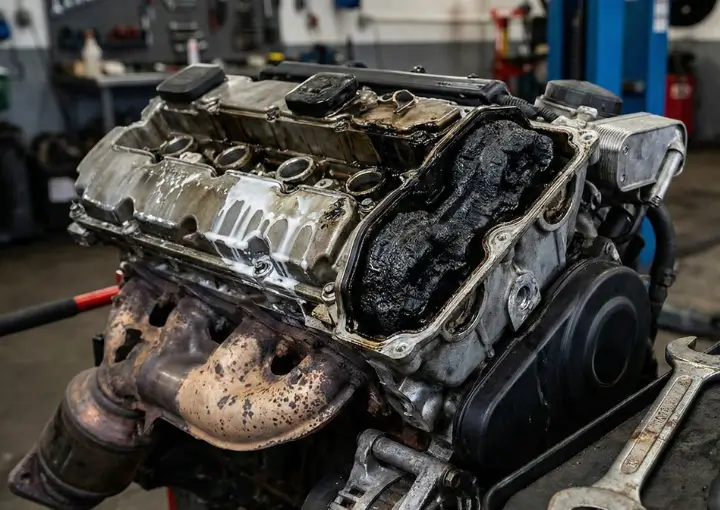
Oil use is one of the most common Mini complaints, especially on Gen 2 models with the N14 turbo engine (2007–2010). Many of these cars burned through a quart of oil every 600–800 miles. Left unchecked, low oil levels led to timing chain stretch, turbocharger damage, and even full engine replacement.
Newer B-series engines are better, but Minis still consume more oil than the average car. That’s why regular checks between oil changes are critical to long-term reliability.
Timing Chain Wear
The phrase “death rattle” is familiar to many second-generation Mini owners. It describes the noise from a failing timing chain tensioner, most often on early N14 engines. If ignored, it can cause severe engine damage.
BMW issued service campaigns to address this problem, but not every car was repaired. Even today, buyers considering a used Gen 2 Mini should confirm that the timing chain service has been completed.
Book Mini Cooper engine maintenance and repairs.
Suspension Wear
Mini Coopers are tuned for sharp handling, but that comes with a trade-off. Control arm bushings, strut mounts, and other suspension components wear faster than those on commuter cars. By 50,000–70,000 miles, many owners find themselves replacing these parts to restore ride quality.
This isn’t necessarily a flaw since it’s part of the Mini’s sporty design. Still, it’s a maintenance cost that new owners should budget for.
Schedule suspension check and repair.
Electronics and Sensors
Like many modern European cars, Minis are prone to electronic glitches. Owners of the 2014 F56 Cooper Hardtopreported instrument cluster malfunctions, side airbag wiring issues, and infotainment resets that led to recalls.
Even outside of recalls, faulty O2 sensors and crankshaft sensors are common culprits behind persistent check engine lights. While these problems are usually inexpensive to fix, they can frustrate owners if they’re diagnosed incorrectly at general repair shops.
Book professional electrical diagnostics.
Cooling System Issues
Cooling system failures have affected multiple generations. Between 2007 and 2011, more than 88,000 Minis were recalled for defective auxiliary water pumps that could overheat and, in rare cases, start an engine fire.
Even today, thermostat housings and water pumps remain known weak points, often requiring replacement around 60,000–80,000 miles. Ignoring coolant leaks can quickly escalate into overheating and major engine repairs.
Proper Maintenance for Mini Cooper Daily Drivers
Mini Coopers can be reliable cars, but they don’t forgive neglect. Owners who treat them like economy cars often face expensive repairs, while those who stay ahead on maintenance regularly see their Minis reach 150,000–200,000 miles.
Stay Consistent with Oil Changes
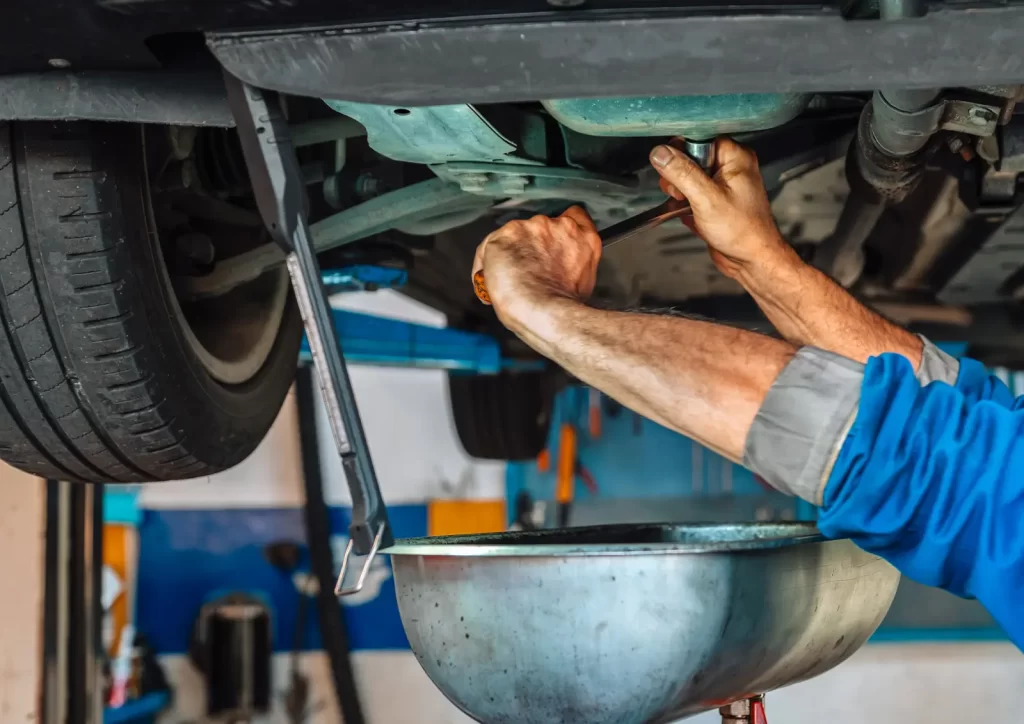
Oil is the lifeblood of any Mini. Gen 2 cars, especially with the N14 engine, became infamous for burning through oil, and even newer B-series engines use more oil than average. That makes 5,000–7,500-mile oil changes with synthetic oil and OEM-approved filters essential. Checking oil levels between services is just as important, since waiting until the warning light comes on can already mean damage.
Use Premium Fuel Every Time
Turbocharged Minis are designed to run on premium fuel, and skipping it can cause knocking, reduced performance, or long-term engine wear. Many owners try to cut corners with regular gas, but the savings at the pump rarely make up for the repair costs down the road.
Replace Wear Items Before They Fail
Suspension bushings, engine mounts, and timing components all wear faster on Minis due to their performance-oriented design. Replacing these items before they fully fail keeps the car driving as intended and prevents additional damage. It’s not unusual for owners to refresh suspension parts around 60,000 miles.
Work with a Specialist, Not Just Any Mechanic
General repair shops can handle simple jobs like oil changes or filter replacements, but Minis rely on BMW-based engineering and electronics that many shops are not equipped for. Specialists with factory-level diagnostic tools like ISTA or Autologic can pinpoint problems correctly the first time, saving owners from repeat visits and unnecessary costs.
Treat Warning Signs Seriously
Ignoring small issues is one of the fastest ways to shorten a Mini’s life. A minor coolant leak can become a blown head gasket, and a noisy timing chain can turn into a destroyed engine. Addressing problems early often keeps repair bills manageable and protects the car’s long-term reliability.
Making Your Mini Cooper Last
Mini Coopers can absolutely deliver years of fun, dependable driving, but only when they’re cared for properly. They aren’t designed to be treated like low-maintenance commuter cars. With consistent oil changes, premium fuel, proactive suspension and timing service, and attention to warning signs, a Mini can realistically reach 150,000–200,000 miles.
For owners in Jacksonville, the difference often comes down to choosing the right shop. At Southside Euro, our ASE-certified European specialists know Minis inside-and-out. We use only OEM-approved parts and fluids, and back every repair with a warranty on labor and parts.
Hurry! Book an appointment today before your Mini’s performance deteriorates.