













Summarize this article with:
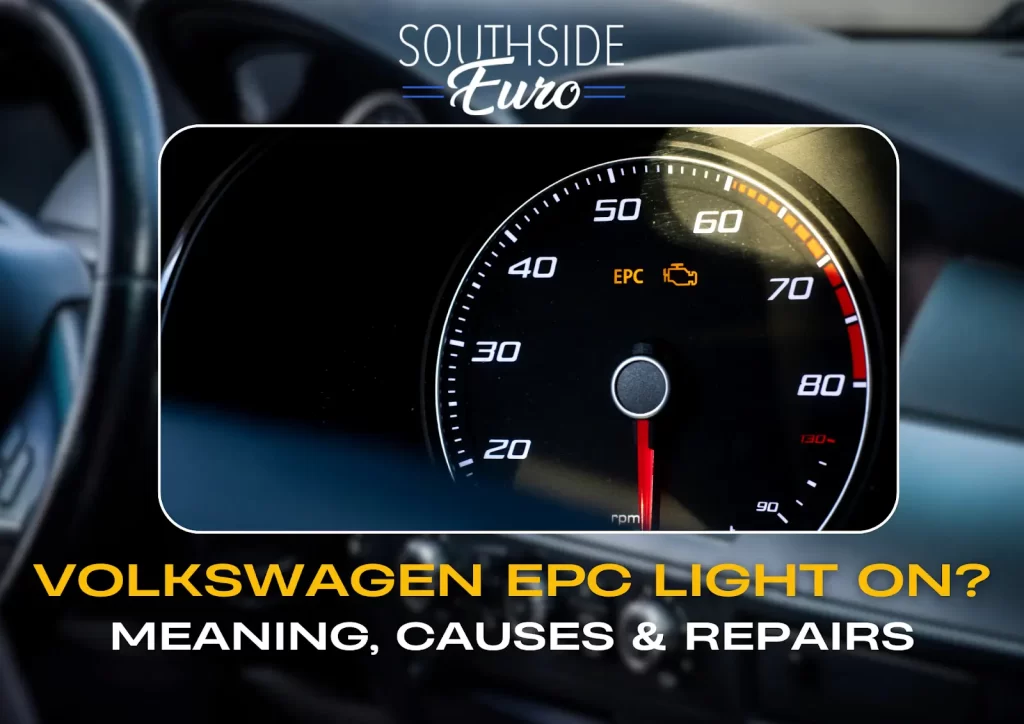
If the EPC light comes on in your Volkswagen, it’s your car’s way of telling you something’s wrong in the engine’s power control system. The EPC (Electronic Power Control) system manages critical functions such as throttle input, traction, and stability. When the light appears, it means the computer has detected a fault affecting how power is delivered to the wheels.
For some drivers, the EPC light might flash briefly and disappear. For others, it stays on and limits performance, sometimes putting the vehicle into “limp mode” to prevent further damage. Either way, the light should never be ignored.

Jacksonville's
Most Trusted
Euro Car Shop
Book Your Appointment Today
Many VW owners assume it’s a simple electrical glitch or try DIY fixes found online, but the causes can range from a dirty throttle body or loose air-intake hose to more serious problems like a faulty sensor or turbocharger wastegate failure. Knowing what typically triggers the EPC light helps you respond quickly, and avoid turning a small repair into an expensive one.
Key Takeaways
- The EPC light shows that your Volkswagen’s engine or power system has a problem.
- Common causes include a dirty throttle body, loose intake hose, bad ignition coil, or faulty turbo wastegate.
- Driving with the EPC light on can reduce engine power and cause more damage over time.
- Simple checks can help, but proper diagnosis needs factory-level Volkswagen tools like VCDS or ODIS.
- Regular maintenance, clean sensors, and using approved parts help prevent EPC light issues.
Causes of EPC Light Activation in Volkswagen Vehicles
The EPC light can illuminate for several reasons, all connected to how the car regulates engine power, throttle control, and emissions.
Throttle Body or Sensor Issues
A dirty or malfunctioning throttle body is one of the most common EPC triggers. Carbon buildup or a sticky valve can disrupt airflow, confusing the sensors that control throttle response. In some cases, cleaning the throttle body restores performance, but if the throttle position sensor fails, the entire unit may need to be replaced.
Ignition and Misfire Problems
Faulty spark plugs, ignition coils, or wiring can cause misfires that the ECU flags as EPC faults. These issues typically lead to rough idling, hesitation, or poor acceleration. Many VW owners experience EPC lights after recent spark plug or coil changes if the connectors weren’t reattached securely.
Air Intake and Vacuum Leaks
An unsealed air intake or loose hose allows unmetered air into the system, throwing off fuel trims and triggering EPC warnings. This often happens after engine work when the top intake tube isn’t fully “clicked” into its green O-ring seal near the firewall a simple fix that clears many false alerts.
Turbocharger and Wastegate Malfunctions
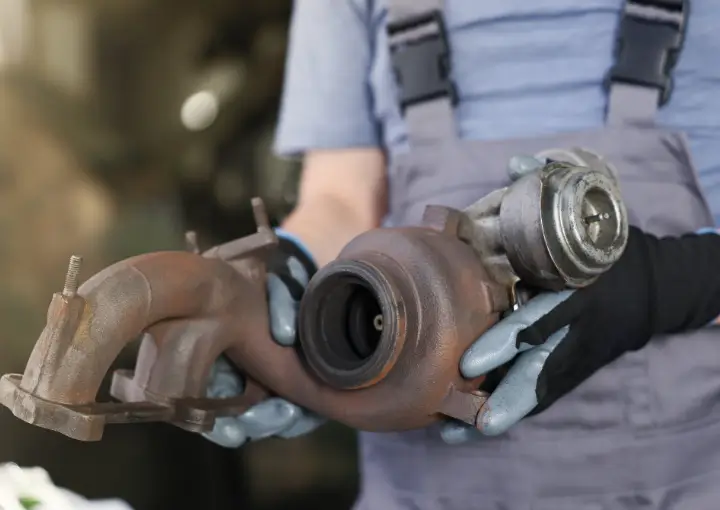
In turbocharged Volkswagens, a corroded or stuck wastegate actuator is another major culprit. When it fails to regulate boost pressure properly, the EPC system detects inconsistent readings and limits engine output. Ignoring this can lead to broken actuator pins and full turbo failure, which are costly to repair.
Electrical or Sensor Faults
The EPC system relies on sensors throughout the drivetrain, including the accelerator pedal, brake light switch, and mass airflow sensor. A fault in any of these components can cause erratic signals that trigger the EPC warning. A European car diagnostics shop will use VCDS or ODIS software to help you pinpoint the root cause.
What to Do When the EPC Light Comes On
If your Volkswagen’s EPC light appears, it means the car’s power management system has detected a fault that needs attention. Don’t panic, but don’t ignore it either—driving too long with the light on can damage components like the throttle body or turbocharger.
1. Pull over safely.
If the car loses power or feels sluggish, pull over as soon as it’s safe. The EPC system may have activated limp mode to protect the engine and transmission.
2. Restart the vehicle.
Turn the ignition off for a few seconds, then restart. If the light clears, it was likely a temporary fault. If it stays on, there’s a persistent issue that needs diagnosis.
3. Inspect for obvious issues.
Check for loose air intake pipes, disconnected plugs, or vacuum leaks. Many EPC lights appear after spark plug or coil replacements when the top intake duct isn’t fully clicked into place, press it firmly until it locks.
4. Avoid hard driving.
Until the problem is fixed, avoid high speeds or heavy acceleration. Stressing the engine can worsen issues tied to the turbocharger, throttle body, or sensors.
5. Get a diagnostic scan.
Volkswagens require factory-level software to find the exact cause. Local specialist shops, like Southside Euro in Jacksonville, use VCDS and ODIS, the same diagnostic tools as VW dealerships, to accurately identify faults in the throttle, ignition, or boost systems, so repairs are targeted, not guesswork.
Preventing EPC Light Problems in the Future
The EPC light doesn’t just come on randomly. In most cases, it’s the result of gradual wear, poor electrical contact, or skipped maintenance. Preventing EPC problems comes down to keeping the systems that feed and communicate with your engine clean, properly connected, and correctly serviced.
Keep the Throttle Body Clean
Carbon buildup inside the throttle body is one of the most common causes of EPC faults. Cleaning it every 30,000 to 40,000 miles helps maintain smooth airflow and proper throttle response. Always use throttle-safe cleaner and avoid moving the throttle plate manually on electronic units unless the procedure is performed by a technician with the right tools.
Replace Spark Plugs and Coils on Schedule
Misfires caused by worn plugs or weak ignition coils often trigger EPC lights. Follow Volkswagen’s maintenance schedule for plug replacement, typically every 40,000 to 60,000 miles, depending on model and engine type. Using OEM or high-quality equivalents ensures the ignition system sends consistent data to the ECU.
Inspect Air Intake and Electrical Connections After Service
Whenever work is done near the engine bay, check that the air ducts, vacuum lines, and sensor connectors are fully seated. Loose intake pipes, particularly the large plastic ducts above the engine, are a frequent cause of post-service EPC alerts. A simple double-check can prevent hours of unnecessary troubleshooting later.
Use Only Approved Fluids and Filters
Using the wrong engine oil, air filter, or coolant can affect the way sensors read system performance. Always use VW 502.00 or 504.00-approved synthetic oil and OEM filters. Proper lubrication and air metering reduce stress on sensors that directly communicate with the EPC system.
Schedule Regular Diagnostics
Even when no warning lights are present, periodic scans with Volkswagen diagnostic tools can catch developing issues before they trigger an EPC warning. Small electrical irregularities or throttle calibration drift can be corrected during regular service visits rather than after a failure occurs.
Keep Your Volkswagen Performing at Factory-Level
An EPC warning doesn’t always mean something major has failed, but it does mean your Volkswagen needs attention from someone who understands how its systems interact. Ignoring the light or guessing your way through repairs often leads to bigger problems, from throttle response loss to turbocharger failure.
At Southside Euro, we specialize in diagnosing and repairing complex electrical and power control issues in Volkswagen vehicles. Our technicians use factory-level software, OEM parts, and proven diagnostic methods to ensure your repair is done right the first time. Whether your EPC light is caused by a throttle body, ignition fault, or boost control issue, we’ll find it, fix it, and help you prevent it from coming back.
Inspect your Volkswagen today.
Volkswagen EPC Light FAQs
Can I drive with an EPC light on a Volkswagen?
You can drive short distances, but it’s not recommended. The EPC system limits performance to protect your engine, and ignoring it can cause serious damage if the issue involves the throttle body, ignition system, or turbocharger.
Can low oil cause the EPC light?
Low oil doesn’t usually trigger the EPC light directly, but it can cause sensor errors that lead to it. Maintaining proper oil levels prevents timing and electrical faults that confuse the engine control unit.
Can cleaning the throttle body fix the EPC light?
Yes, a dirty throttle body is a common cause of the EPC warning. Cleaning it with throttle-safe cleaner often restores normal airflow and resolves the issue, though persistent lights may require professional diagnostics.
Why does my EPC light come on after spark plug or coil replacement?
This usually happens when an air intake pipe or sensor connector isn’t fully secured. Reseating the intake hose and ensuring all connectors “click” into place often clears the EPC light.
Can a bad turbo wastegate cause the EPC light?
Yes, a stuck or corroded wastegate actuator can cause EPC warnings and reduced power. If ignored, it can break the actuator pin and disable the turbo, leading to expensive repairs.