Summarize this article with:
The BMW E46 produced from 1999 to 2006 as part of the iconic 3 Series lineup is still a favorite among BMW enthusiasts for its balance, handling, and timeless design. But as these vehicles age, steering issues are becoming more common, especially related to the power steering pump.
This component plays a major role in the car’s daily drivability. When it starts to fail, the symptoms often show up slowly, light whining noises, heavier steering, or small fluid leaks. Ignore those signs for too long, and it could lead to complete pump failure or even costly damage to the steering rack.
Jacksonville's
Most Trusted
Euro Car Shop
Book Your Appointment Today
In this blog, we’ll cover the top symptoms of a bad power steering pump, what causes the issue, and how Southside Euro can help restore your E46’s precision and feel.
What Does the E46 Power Steering Pump Do?
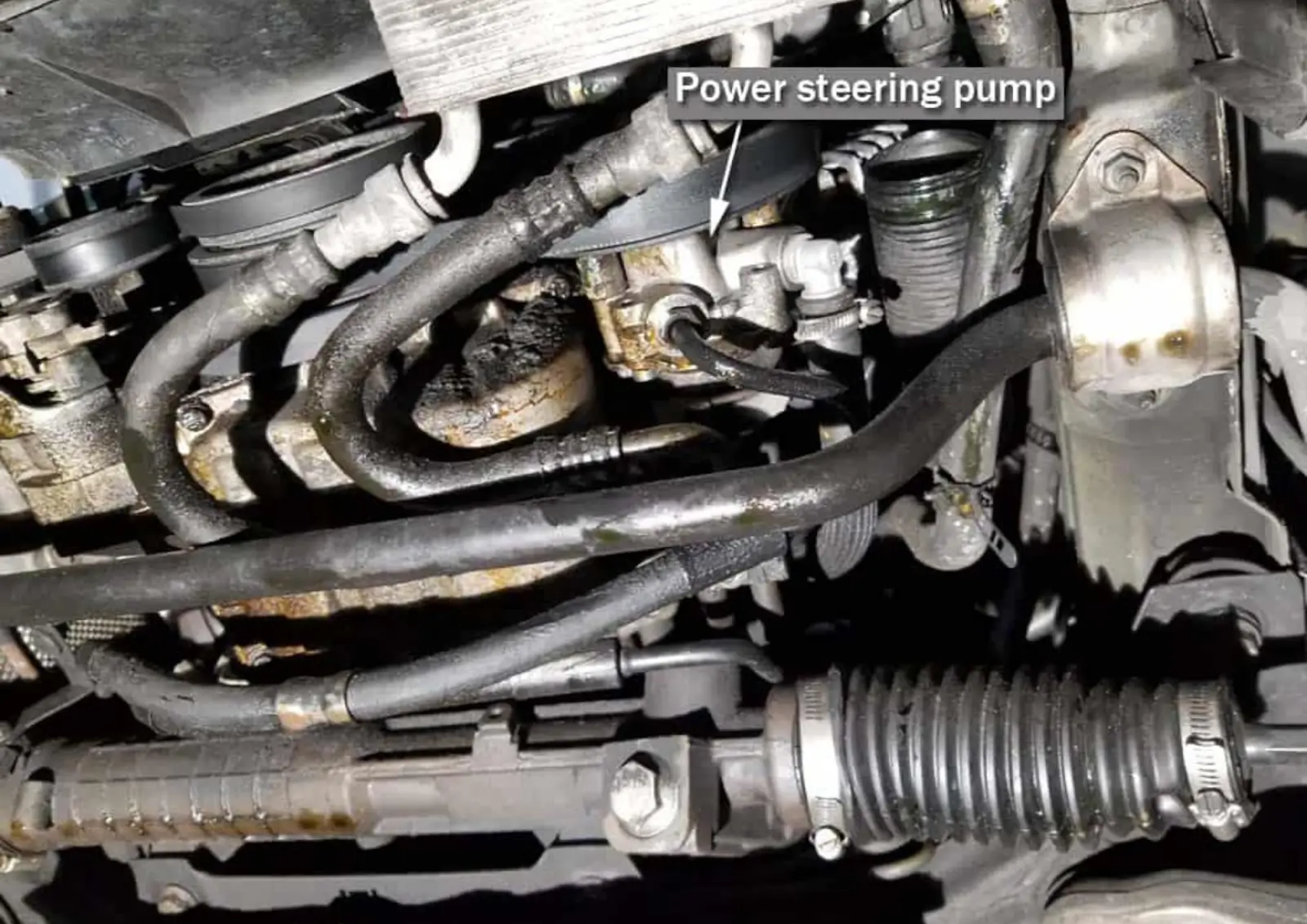
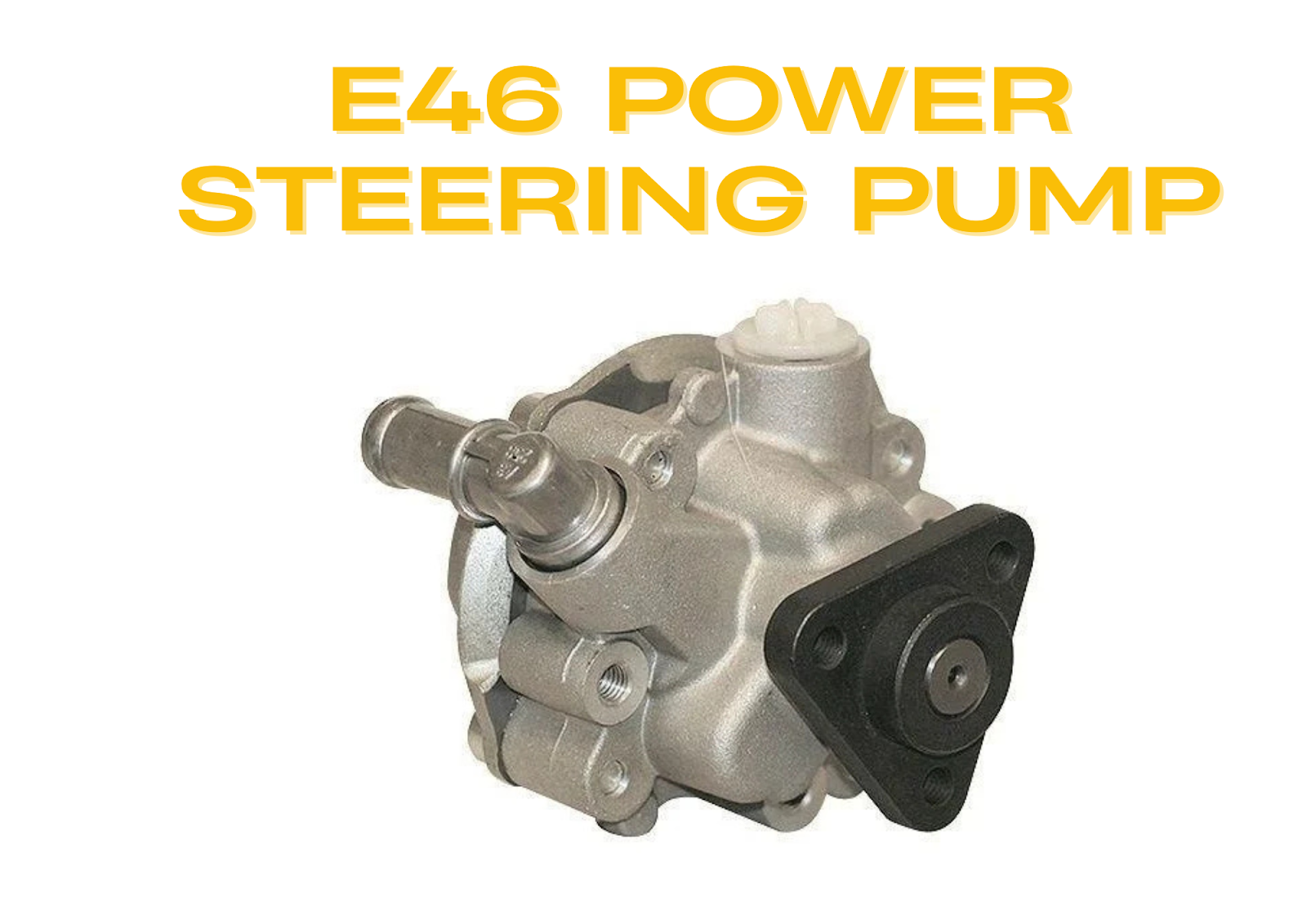
The E46 power steering pump creates hydraulic pressure to help turn the wheels with minimal effort. It’s essential for making your steering feel smooth and responsive especially when maneuvering at low speeds or while parking.
This pump is driven by the engine’s serpentine belt, which turns the internal vanes and sends pressurized power steering fluid through lines to the steering rack. That pressure makes the steering wheel light to turn, reducing strain on the driver.
When the pump begins to fail, you’ll feel it almost immediately especially during tight turns or slow driving. Without it, steering becomes stiff, noisy, and potentially unsafe.
Common Symptoms of a Failing E46 Power Steering Pump
When the power steering pump starts to go bad in your BMW E46, the warning signs usually build up over time. Catching these issues early can save your steering rack and avoid a costly tow. Below are the most common symptoms you should look out for:
Stiff or Heavy Steering
One of the most noticeable signs is difficulty turning the wheel, especially at low speeds. This typically means the pump is no longer generating enough hydraulic pressure.
Whining or Groaning Noises
A high-pitched whine or groan especially when turning the wheel at full lock often points to the pump struggling to circulate fluid. These sounds worsen with wear or low fluid levels.
Fluid-Related Power Steering Issues
- Leaking Fluid: Reddish or amber power steering fluid under the car often indicates failing pump seals, worn hoses, or loose clamps.
- Low or Dropping Fluid Levels: If you’re frequently topping off the reservoir, there’s likely a leak somewhere in the system.
- Foamy or Dirty Fluid: Air in the lines or contaminated fluid shows up as milky, foamy, or dark fluid in the reservoir. This can cause poor pressure and eventual pump failure.
Shuddering or Jerky Steering Feel
Interrupted fluid flow due to pump wear may cause vibrations or inconsistent feedback during turns.
Burning Smell or Overheated Pump
When fluid is too low or degraded, the pump runs hot, creating friction. This often leads to a burning odor and can signal imminent pump seizure.
What Causes E46 Power Steering Pump Failure?
There are several reasons why the E46 power steering pump may fail most of which come down to age and maintenance.
Natural Wear Over Time
Most E46s are 15–20+ years old. Even well-maintained pumps degrade over time. The internal vanes, bearings, and seals wear out, reducing hydraulic pressure and efficiency.
Hydraulic Fluid Issues
Contaminated or low fluid is one of the most common contributors to pump failure. Common fluid-related causes include:
- Neglected Fluid Changes: Old, dirty fluid loses its lubricating properties and can cause internal damage.
- Wrong Fluid Type: Using the incorrect fluid (e.g., Dexron instead of CHF 11S) can damage seals and reduce pump lifespan.
- Restricted Fluid Flow: A clogged reservoir screen or air bubbles in the fluid can starve the pump, leading to cavitation and overheating.
Leaky Hoses and Seals
Small leaks at return lines, high-pressure hoses, or reservoir fittings slowly reduce system pressure. As fluid escapes, the pump works harder and wears faster.
Worn Serpentine Belt or Tensioner
The power steering pump is belt-driven. If the belt slips or loses tension, the pump can’t spin at optimal speed, resulting in weak or noisy steering assist.
How to Confirm a Bad Pump vs Other Issues
Not every steering problem in the BMW E46 points directly to a failed power steering pump. Other components in the system can cause similar symptoms, and replacing the pump too soon might waste time and money.
Common culprits include a worn rack and pinion, especially if there’s uneven steering feel or fluid near the steering gear. Loose or damaged tie rods can also mimic stiffness or jerky feedback. And if your fluid is old, foamy, or filled with debris, a clogged line or restricted flow might be the root cause, not the pump itself.
To correctly diagnose the issue, professional technicians at Southside Euro follow a complete step-by-step process:
They’ll begin with a visual inspection, checking for fluid leaks around hoses, fittings, and the pump. Then they’ll assess fluid condition looking for discoloration, foam, or contamination.
A pressure test helps determine if the pump is generating proper force or if it’s underperforming. Lastly, the team checks the belt and pulley system, ensuring there’s no slippage or tension loss affecting pump speed.
How to Prevent Future Power Steering Problems
Staying ahead of power steering problems in your E46 comes down to routine care and early repairs. One of the easiest steps is to check the fluid level monthly. If it’s low or discolored, act fast, minor fluid issues often lead to major repairs if ignored.
Always top off with the correct BMW-approved fluid. Most E46s use CHF 11S, but earlier models may take Dexron III, check your owner’s manual or ask a trusted mechanic. Using the wrong type can damage seals and reduce pump life.
Flush the system every 2 to 3 years to remove contaminants and keep pressure flowing properly. Don’t ignore small leaks, especially in the return hose, which often causes slow pressure loss. If the reservoir is cracked or bulging, replace it before it leads to overheating or poor steering response.
Drive Easier Again: Let Southside Euro Fix Your E46 Steering
If you notice steering problems, whining sounds, or fluid leaks, don’t wait for a full pump failure. Southside Euro specializes in BMW steering system repairs, offering fast diagnosis and replacement services that restore performance and control.
We service all E46 models, including the 323i, 325i, 328i, 330i, and M3, with OEM-quality parts and expert care.
Call us at (904) 240-1440 or Book Your Service Here.
Final Thoughts
E46 power steering pumps are known to wear out with age, heat, and poor fluid maintenance. Many original pumps in these 20+ year-old cars are overdue for replacement. Early symptoms like whining, stiff turns, or fluid leaks should never be ignored.
What begins as a minor noise or slow leak can lead to total pump failure or even damage to the steering rack. That’s why timely inspection and repair are key to avoiding bigger problems down the line.
Simple habits like monthly fluid checks and replacing worn components help keep the system running smoothly. If your E46 shows signs of power steering issues, addressing them early can keep your drive safe, predictable, and true to BMW standards.

Frequently Asked Questions
What are the symptoms of a bad E46 power steering pump?
The symptoms of a bad E46 power steering pump include stiff steering, whining noises when turning, fluid leaks, low fluid levels, foamy fluid, and a burning smell from the engine bay.
How do I know if my E46 power steering pump is failing?
You’ll know your E46 power steering pump is failing if the steering feels heavy, the pump makes noise, or you notice fluid leaks or foam in the reservoir. A mechanic can confirm with a pressure test.
Can I drive with a failing power steering pump?
You can drive with a failing power steering pump, but it’s risky. Steering can become difficult or unpredictable, especially at low speeds. It’s safer to have it inspected and repaired quickly.
Why is my E46 power steering fluid low?
If your E46 power steering fluid is low, it’s likely due to a leak in a hose, pump seal, or reservoir. Low fluid causes poor steering response and can overheat the pump.
What fluid does an E46 power steering system use?
The E46 power steering system uses either CHF 11S or Dexron III ATF, depending on the year and model. Always check your owner’s manual or under-hood label to confirm.