











Summarize this article with:
If you own a Golf GTI MK7, you already know it’s one of the best hatchbacks ever. To avoid being hit with a surprise, we compiled some of the issues that may arise as the miles add up.
They can range from the common coolant leaks and turbo trouble to pesky issues like sunroof leaks. Not to worry, though, the MK7 GTI is a reliable, fuel-conscious car, as widely reviewed. However, you can only enjoy its famed maintenance with diligent maintenance that can quickly spot or fix these common problems before they lead to expensive repairs.
Jacksonville's
Most Trusted
Euro Car Shop
Book Your Appointment Today
In this guide, we’ll break down the most frequent MK7 GTI issues, how to spot them early, and what you can do to keep your Volkswagen running strong.
Schedule a free Volkswagen appointment with Southside Euro today.
Water Pump Leaks
One of the most common problems on the Golf GTI MK7 is leaks from the water pump and thermostat housing. These parts can leak coolant as early as 40,000–60,000 miles, especially if the car sees regular city driving.
Many owners notice a coolant warning light, slight overheating, or a sweet smell from under the hood. Sometimes, small puddles form under the front of the car. While some leaks begin slowly, they tend to worsen over time.
Replacing the water pump and thermostat housing together is usually recommended and can cost between $700–$1,200 if the car is out of warranty. Addressing these leaks early through routine maintenance with a Golf GTI specialist helps you to avoid more expensive repairs on other components.
Turbo Wastegate Actuator Issues
Another known issue with the MK7 Golf GTI is trouble with the turbo wastegate actuator. This small part controls how the turbo builds boost pressure. Over time, the actuator linkage can stick or lose calibration, leading to an annoying check engine light and loss of power.
Some drivers experience hesitation or inconsistent boost, especially after the car has been parked for a while. In many cases, dealers will replace the entire turbo assembly because Volkswagen supplies them as a unit. If your car is out of warranty, this repair can cost several thousand dollars.
For minor sticking, you can apply penetrating oil and high-temperature lubricant to the linkage to restore smooth movement.
However, if the issue keeps returning, replacement, particularly with an independent Volkswagen repair specialist, is usually the only lasting and relatively less expensive fix compared to dealers.
Carbon Buildup on Intake Valves
Like many modern direct-injection engines, the Mk7 Golf GTI is prone to carbon buildup on the intake valves over time. This happens because fuel no longer washes over the valves as it did in older port-injection designs.
As miles add up, oily vapors from the PCV system stick to the valves and harden into stubborn deposits. When buildup gets heavy, you may notice rough idling, sluggish throttle response, or a drop in fuel economy.
Many owners choose to have the valve’s media blasted (often called walnut blasting) every 50,000–60,000 miles to restore proper airflow. While it’s not a catastrophic problem, ignoring heavy deposits can lead to more serious drivability issues.
Leaking Thermostat Housing
The thermostat housing on the Mk7 Golf GTI is another known weak point that tends to leak coolant as these cars age. Many owners report seepage starting between 40,000 and 60,000 miles.
The housing is made of plastic, and over time, the sealing surfaces can warp or the gasket can fail. Like the water pump, you might notice a slow loss of coolant, a sweet smell, or a small puddle under the front of the car. If left alone, a leaking housing can eventually cause the engine to run hot or trigger a low coolant warning.
Replacing the thermostat housing isn’t a small job, since it requires draining the coolant and removing surrounding components. But it’s a common repair that can be handled in a day at a qualified shop, and fixing it promptly helps protect the engine from overheating.
Sunroof Drain and Seal Problems
While the MK7 Golf GTI’s panoramic sunroof adds style and light, it’s also known to create headaches for some owners. Over time, the drain tubes along the sunroof edges can clog with leaves, dirt, or debris, especially if the car is parked outdoors.
With a backed-up drain, water may leak into the cabin, soaking carpets or damaging electronic components hidden under the seats.
Another issue is squeaky or prematurely worn seals. Although fewer cars suffer persistent leaks, noisy seals are a fairly common complaint. Luckily, these problems are usually preventable. Regularly clearing out the drain channels and applying a rubber-safe lubricant on the seals helps keep water out and stops annoying squeaks.
Ignition Coil Pack Failures Under Heat
On the MK7 Golf GTI, ignition coil packs are generally reliable in daily driving. But if you track your car or run higher-power tunes, they can become a weak link. Under sustained high temperatures, the coils may start breaking down internally, leading to engine misfires, rough idling, and check engine lights.
Owners often report this after spirited driving sessions or long highway pulls. The good news is that replacing coils is quick and inexpensive. Many enthusiasts choose to upgrade to performance coil packs that tolerate heat better and help maintain smooth power delivery. If you plan on tuning or pushing your GTI hard, upgrading ahead of time is a smart preventive step.
Clutch Wear and Replacement
If your MK7 Golf GTI has a manual transmission, the clutch is a known consumable item. Even in stock form, the factory clutch has a high engagement point, which many new owners mistake for premature wear.
When you add more power through a tune or drive aggressively, clutch wear accelerates significantly. Slipping under load and difficulty holding torque are common signs that the clutch is reaching the end of its life. For owners planning performance upgrades, it’s smart to budget for an aftermarket clutch kit that can handle increased power and spirited driving.
While not inherently a defect, clutch longevity is something to watch closely if you want to keep your GTI performing at its best.
Book a vehicle inspection before you buy a used MK7 GTI
Schedule Your MK7 Golf GTI Service Today
If you’ve noticed coolant leaks, sunroof drips, misfires, or clutch slip, it’s best to address them before they become expensive repairs. Staying ahead of these known MK7 Golf GTI issues will save you time, money, and headaches down the road.
The experts at Southside Euro use brand-specific tools and expertise to inspect, diagnose, and repair any of these problems quickly and professionally.
Schedule your MK7 Golf GTI service today and keep your VW performing at its peak.
Frequently Asked Questions About MK7 GTI Problems & Repairs
Are all MK7 Golf GTI water pumps prone to failure?
Not every MK7 Golf GTI water pump will fail, but it’s a very common problem as the car ages. Many owners start seeing leaks around 50,000 miles. If you notice coolant loss or a low coolant warning, it’s best to have it inspected early. Southside Euro can check for leaks and replace the water pump before it leads to overheating.
How can I tell if my MK7 GTI thermostat housing is leaking?
A leaking thermostat housing often leaves visible coolant residue near the front of the engine or under the car after parking. You might also see a low coolant warning or notice the engine running warmer than usual. If you spot any of these signs, Southside Euro can pressure test the cooling system and replace the housing before it fails.
What causes carbon buildup on the MK7 GTI engine valves?
Carbon buildup happens because the 2.0T engine uses direct injection, which doesn’t wash fuel over the intake valves to clean them. Over time, oil vapors and deposits can collect on the valves, reducing performance and causing rough idling. Walnut blasting is the most effective cleaning method, and Southside Euro offers this service to restore smooth operation.
Why is my MK7 GTI showing a turbo wastegate actuator fault?
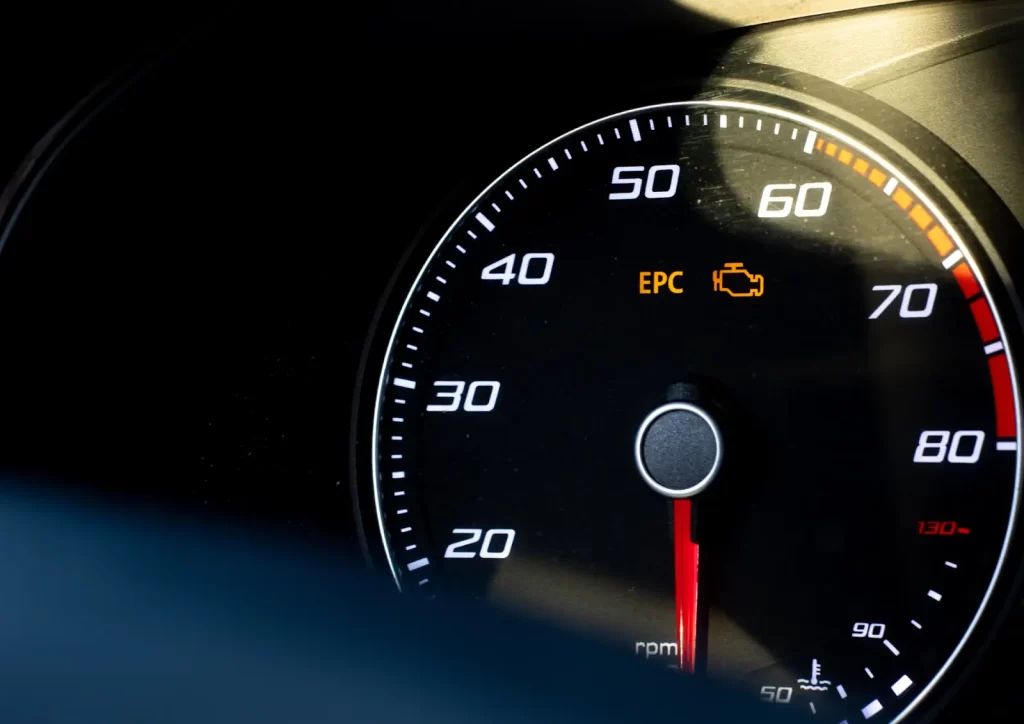
A faulty turbo wastegate actuator is a fairly common issue on the MK7 GTI, often due to the linkage sticking or failing electronics in the actuator itself. This can trigger an EPC light and cause reduced boost pressure. Sometimes lubricating the linkage temporarily helps, but in many cases, the actuator or entire turbo assembly needs replacement. If you’re unsure, a diagnostic inspection at Southside Euro can confirm the problem and recommend the right fix.
How long should the clutch last on a manual MK7 GTI?
Clutch life varies depending on how the car is driven. On a stock MK7 GTI with normal driving, the clutch can last well over 60,000 miles. However, spirited driving, track use, or tuning (such as stage 1 or 2 upgrades) can wear the clutch out much faster. If you notice slipping, a high engagement point, or difficulty shifting, it may be time for a replacement. Southside Euro offers upgraded clutch kits designed to handle more power and last longer under demanding conditions.