















Can a Regular Mechanic Work on an Audi?
A regular mechanic can work on your Audi, but the real question is whether that is the best choice for your car. Routine services such as oil changes, tire rotations, and brake pad replacements are typically safe at a general shop. However, once the work involves the advanced systems that set Audi apart (turbocharged engines, quattro all-wheel drive, or complex electronics), most regular mechanics are out of their depth.
This is why Audi owners often find themselves asking, “Should I trust a general mechanic, or should I look for a specialist?” The answer depends on the type of service, your warranty coverage, and whether the shop understands the strict standards European vehicles require.

Free consultation with Jacksonville’s No.1 European Car Specialists
Understanding the Warranty Question
One of the biggest concerns Audi owners have is whether using a regular mechanic will void their warranty. The good news is that it will not, as long as the service meets the manufacturer’s standards. This protection comes from the Magnuson-Moss Warranty Act, a federal law that prevents automakers from forcing you to service your car exclusively at a dealership.
That said, there are conditions. The parts and fluids used must match Audi’s specifications, and the work must follow proper service procedures. For example, if your mechanic uses the wrong oil grade or installs non-approved filters, Audi can deny warranty coverage for related failures. This is why documentation is critical. Always keep detailed receipts showing the exact parts and fluids used, along with the service performed.
In short, you are free to use a regular mechanic without fear of automatically losing your warranty, but only if that mechanic understands and follows Audi’s strict requirements.
What a Regular Mechanic Can Handle Safely

Not every service on your Audi requires a European specialist. General maintenance jobs can often be handled by a trusted local mechanic, as long as the correct parts and fluids are used. These include:
- Oil changes with Audi-approved synthetic oil
- Tire rotations and balancing
- Brake pad and rotor replacements
- Air and cabin filter changes
These tasks are straightforward and do not usually require Audi-specific diagnostic tools. Still, caution is important. Even with routine services, problems can arise if a mechanic uses the wrong oil specification, skips necessary checks, or installs parts that do not meet Audi standards.
For peace of mind, many Audi owners choose to have even routine work done by specialists who already know the exact requirements for these vehicles.
Where Regular Mechanics Struggle
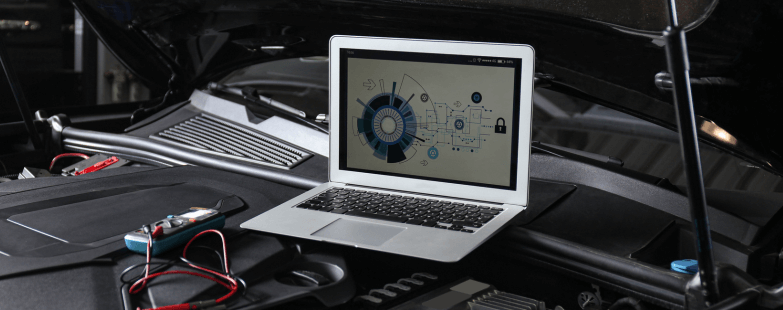
The real limitations of a regular mechanic show up once the work goes beyond basic maintenance. Modern Audis are engineered with systems that demand specialized tools, training, and experience.
Electrical and electronic issues are one of the biggest challenges. Features like adaptive headlights, infotainment modules, and airbag sensors require Audi-specific diagnostic software such as VCDS or ODIS. A generic scanner cannot read these codes correctly, which often leads to repeated check engine lights or unresolved warning messages.
Engine checkups or repairs are another area where mistakes can be costly. Turbocharged Audi engines depend on precise servicing of spark plugs, coil packs, PCV valves, and timing chains. Using the wrong procedure or non-approved parts can quickly cause misfires, oil leaks, or engine damage. The quattro all-wheel-drive system and S tronic or DSG transmissions are just as demanding, requiring exact fluids and service intervals that most general shops are not equipped to handle.
Many Audi owners who try regular shops for these kinds of repairs end up frustrated. What appears to be a cheaper fix at first often proves more expensive in the long run.
Why European Specialists Are the Better Choice
When the work on your Audi goes beyond the basics, you need more than a shop that “can” do the job. You need a team that understands the engineering behind every system. That is the difference an Audi or European car specialist provides.
-
Factory-Level Diagnostics
General shops often rely on universal scanners that miss key fault codes. Audi or European car specialists use software such as VCDS or ODIS, the same platforms Audi technicians depend on. This allows for precise diagnosis of check engine lights, electronic faults, and safety system alerts.
-
Correct Service Procedures
Advanced jobs on Audis are not forgiving. Timing chain service, DSG transmission maintenance, and turbocharged engine repairs all require exact procedures. Specialists are trained for these systems, so you are not paying for trial and error.
-
OEM-Approved Parts and Fluids
Audis are designed to run on very specific parts and fluids. European specialists source OEM or OEM-equivalent components that meet Audi’s standards. This avoids the hidden risks that come from using cheaper aftermarket substitutes.
-
Warranty and Resale Protection
Every service is documented with parts and procedures that align with Audi requirements. This paperwork protects your warranty and helps retain the resale value of your car. Future buyers want proof that the vehicle was maintained to factory standards, and a specialist provides that assurance.
-
Better Value Than Dealerships
Dealerships can deliver the right level of care, but usually at the highest price point. Specialists offer the same factory-level expertise with a more personal approach and often at a lower cost.