














Audi vehicles are celebrated for their engineering excellence, but timing chain failure remains a common issue in models like the A4, A5, and Q5.
This critical component syncs the crankshaft and camshaft for precise valve timing.

Failure can cause severe engine damage and high repair costs. In this article, we’ll cover early warning signs, causes, diagnosis, replacement, costs, and prevention. For Jacksonville Audi owners, expert help is available at Southside Euro’s Audi repair page.
Common Audi Models Affected by Timing Chain Issues
Timing chain problems aren’t universal across all Audis, but they are prevalent in specific generations. The 2.0-liter TFSI engines (often coded as CAEB, CDNC, or CPMA) in models from 2008 to 2015 are particularly susceptible.
These include the Audi A4 (B8 generation), A5, Q5, and even some A6 variants. The supercharged 3.0T V6 engines in the A6, A7, and Q7 from 2009 to 2017 also face similar risks due to chain stretch and faulty tensioners.
Higher-mileage vehicles, typically those exceeding 80,000 to 125,000 miles, are at greater risk, though failures have been reported as early as 60,000 miles in some cases.
Owners of these models should be vigilant, as ignoring symptoms can result in bent valves, damaged pistons, or even a complete engine seizure.
For expert maintenance tailored to these engines, check out Southside Euro’s brands we service, where Audi is a core focus.
Early Warning Signs of Timing Chain Failure
Catching timing chain issues early can save thousands in repairs. Here are the most common symptoms to watch for:
- Rattling or Clattering Noise on Startup: One of the earliest and most telltale signs is a metallic rattling sound from the engine, especially during cold starts. This noise often lasts a few seconds and may fade as the engine warms up and oil pressure builds. It indicates that the timing chain has stretched or the tensioner is failing to keep it taut. If you hear this, it’s wise to have it inspected immediately.
- Check Engine Light Activation: Modern Audis are equipped with sophisticated onboard diagnostics. A failing timing chain can trigger the check engine light (CEL) with specific trouble codes such as P0016 (crankshaft/camshaft correlation), P0011 (camshaft position timing over-advanced), or P0341 (camshaft position sensor performance). Ignoring the CEL can lead to more severe damage.
- Engine Misfires and Rough Idling: As the chain stretches, it can cause the valves and pistons to fall out of sync, leading to misfires, rough idling, or hesitation during acceleration. You might notice a loss of power, particularly under load, or the engine struggling to maintain consistent RPMs.
- Poor Performance and Reduced Power: If the timing is off, your Audi may feel sluggish, with decreased acceleration and fuel efficiency. In extreme cases, the engine might stall or fail to start altogether.
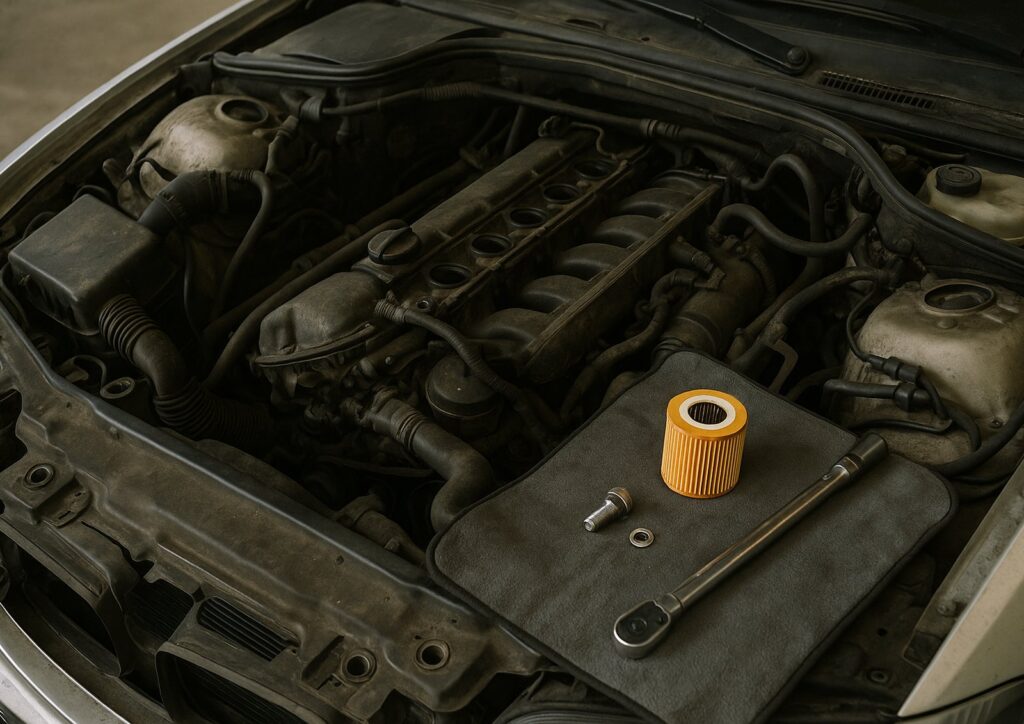
- Metal Shavings in Engine Oil: During an oil change, check for metallic debris in the old oil or on the drain plug magnet. This is a sign of internal wear, including from the timing chain guides or chain itself.
- Overheating or Unusual Engine Behavior: Though less common, a severely worn chain can disrupt coolant flow or cause other secondary issues, leading to overheating.
If you’re experiencing any of these signs, don’t delay, schedule a diagnostic at a trusted shop like Southside Euro’s services page, where they specialize in European vehicle diagnostics starting at $100.
Causes of Audi Timing Chain Failure
Several factors contribute to timing chain issues in Audis. Poor oil quality or infrequent changes can lead to inadequate lubrication, causing the chain to wear prematurely. Audi recommends synthetic oils meeting VW 502.00 or 504.00 specifications, and skipping services can exacerbate problems. Design flaws in early tensioners (pre-2012 models) are another culprit; these hydraulic units can fail, allowing the chain to slacken. High-rev driving, turbo boost stress, and carbon buildup from direct injection can also accelerate wear.
In some cases, the plastic chain guides degrade over time, leading to breakage and chain jump. For insights into related engine maintenance, visit Southside Euro’s blog for tips on European car care.
Diagnosing Timing Chain Problems
Diagnosis typically involves a combination of auditory inspection, OBD-II scanning for codes, and physical checks.
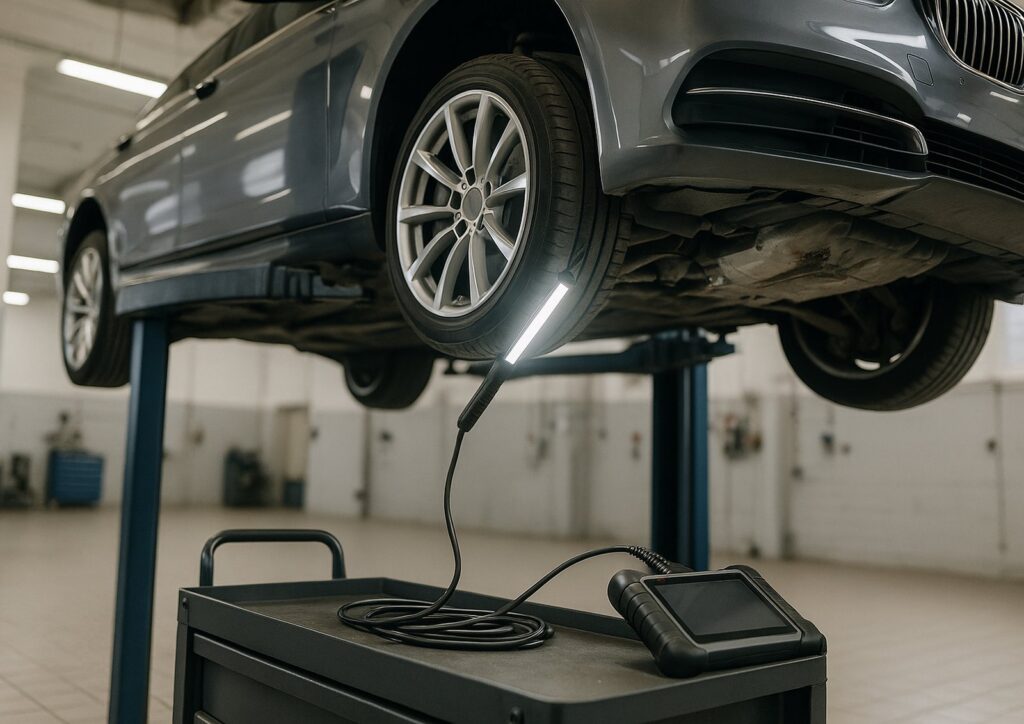
Mechanics may use a borescope to inspect the chain without full disassembly or measure chain stretch using specialized tools like VCDS (VAG-COM Diagnostic System), which is standard for Audi vehicles. In Jacksonville, facilities equipped for this include Southside Euro’s Audi-specific services.
If confirmed, replacement is often the only fix, as partial repairs like just swapping the tensioner may not address underlying stretch.
The Replacement Process
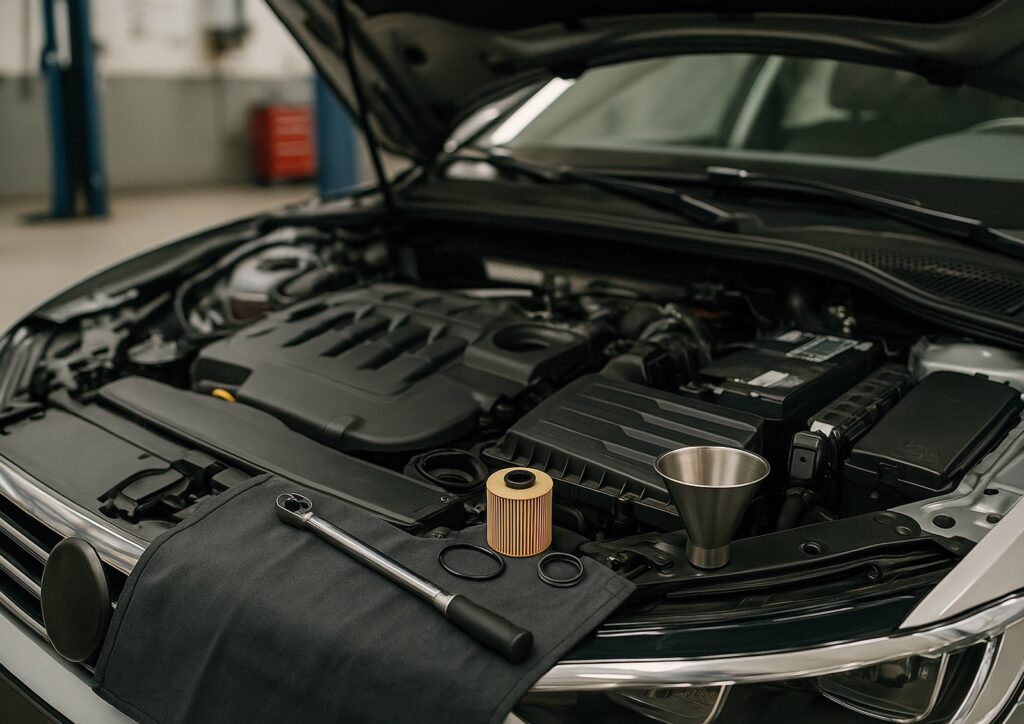
Replacing an Audi timing chain is a labor-intensive job, often requiring engine removal or at least partial disassembly. The process includes:
- Draining fluids and removing accessories like the serpentine belt, water pump, and valve covers.
- Accessing the timing cover, which may involve dropping the subframe in some models.
- Replacing the chain, tensioner, guides, and often related components like the water pump and seals to prevent future issues.
- Reassembling and timing the engine precisely.
This can take 20-40 hours of labor, depending on the model. For professional handling, refer to Southside Euro’s warranty coverage for peace of mind on parts and labor.
Replacement Costs: What to Expect
Costs for Audi timing chain replacement vary based on model, location, and shop type. On average:
- Parts: $500-$1,500, including the chain kit (chain, tensioner, guides, gaskets).
- Labor: $1,000-$4,000, at $100-$150 per hour.
- Total: $1,500-$5,000 for independent shops; $5,000-$10,000 at dealerships.
For a 2012 A6 3.0T, quotes range from $6,500 at indies to $10,000 at dealers. Older models like the A4 2.0T might cost $3,500-$7,000. Factors influencing price include engine complexity (V6 vs. inline-4), additional repairs (e.g., if valves are bent), and whether you opt for OEM parts.
In Jacksonville, affordable options like Southside Euro offer rates at $125/hour, potentially lowering costs while maintaining quality. See their testimonials for customer experiences.
Preventing Timing Chain Failure
Prevention is key. Follow Audi’s maintenance schedule religiously:
- Change oil every 5,000-7,500 miles with high-quality synthetic.
- Use the correct viscosity (e.g., 5W-40) to ensure proper tensioner operation.
- Monitor for leaks that could reduce oil pressure.
- Consider proactive tensioner replacement around 100,000 miles, costing $500-$1,500, as a preventive measure.
Regular inspections during services can catch issues early. For detailing and maintenance that complements this, explore Southside Euro’s car detailing services.
Why Professional Service Matters
Attempting a DIY replacement is not recommended due to the complexity and risk of further damage. Certified technicians with Audi-specific tools ensure the job is done right. Shops like Southside Euro provide warranties (up to 2-3 years on parts and labor) and use OEM-approved components. Their FAQs page addresses common European car concerns, including noise issues.